


This post may contain affiliate links. Learn more.
Are you searching for a fruit that starts with M? Look no further!
Whether you’re building an A-Z list of fruits, brainstorming for a game or quiz, or simply curious about fruits, then you’re in the right place.
Below you’ll find a list of 60 fruits that start with the letter M – from everyday mangoes and melons… to the more exotic madroño and morinda! Including trivia, facts and photographs.
Looking for a printable A-Z fruit chart that’s perfect for homeschooling, cooking inspiration, or alphabet challenges? Then click here (coming soon)!
Quick Links:
- SUMMARY – The Full List – 60 Fruits That Start With M
- Popular Fruits That Start With M
- Exotic Fruits That Start With M
- Medicinal Fruits That Start With M
- Traditional & Heirloom Fruits That Start With M
- Rare Fruits That Start With M
Popular Fruits That Start With M
These popular fruits that start with the letter M are commonly found in supermarkets or widely recognised across multiple countries.
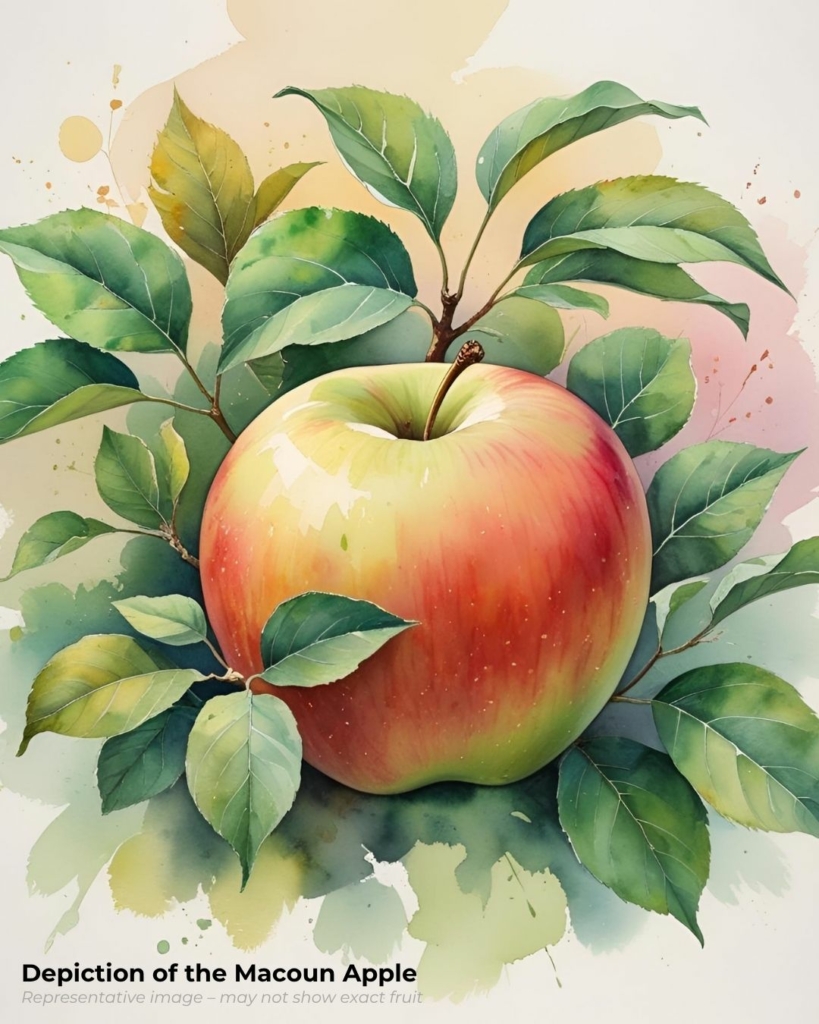
1. Macoun Apple
- A crisp and juicy fresh-eating apple variety with red skin and snow-white flesh.
- Macoun apples are a classic variety with more tartness than you typically find in store-bought apples today.
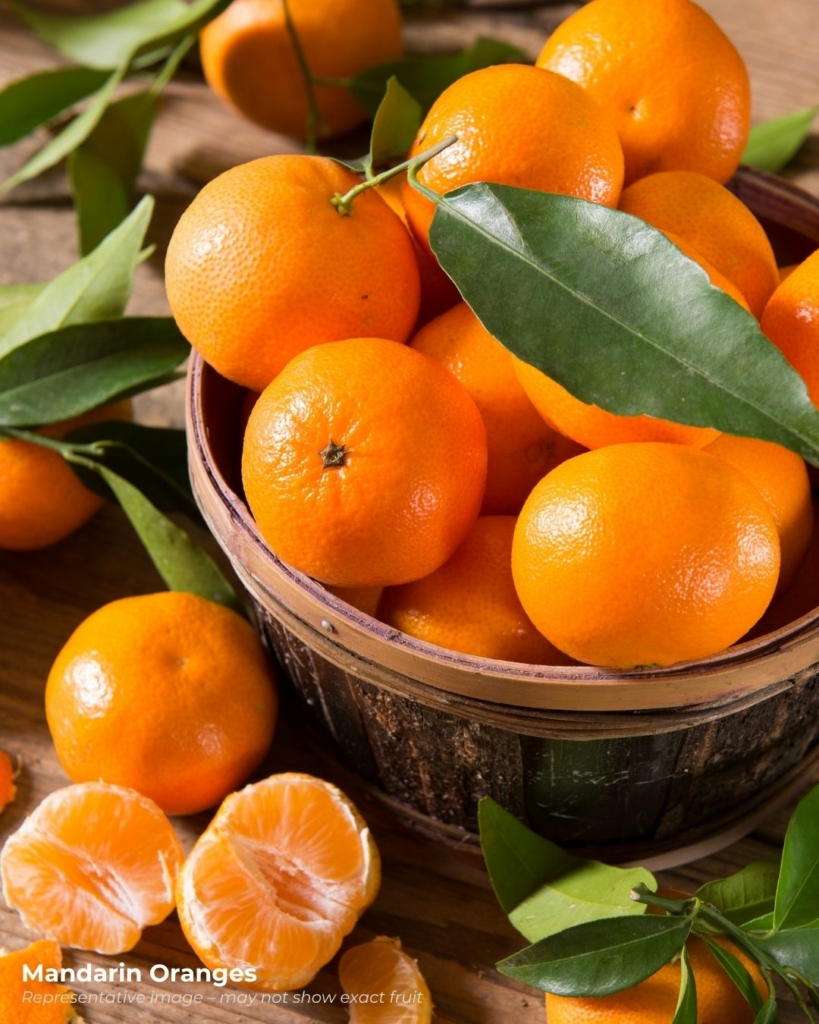
2. Mandarin Orange
- Small, sweet citrus fruits that are easy to peel and have juicy flesh.
- This delicious fruit group includes tangerines, clementines and also satsumas.
3. Mango
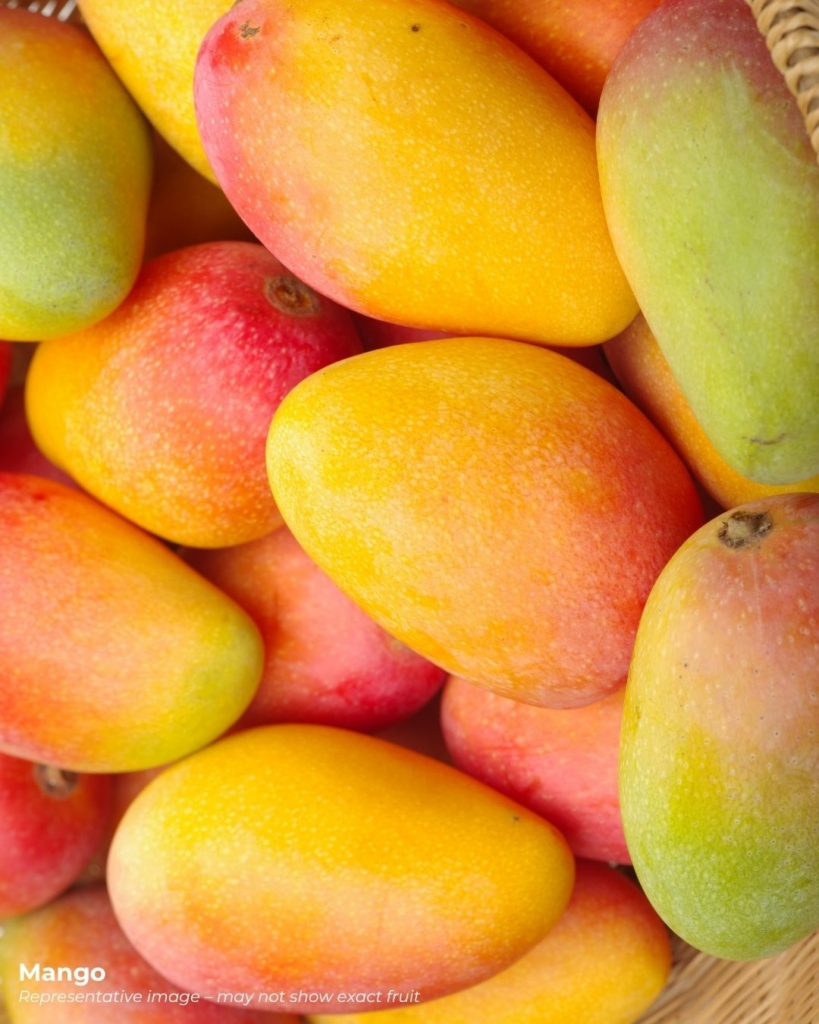
- One of the most popular tropical fruits in the world. Native to India and also Southeast Asia.
- With a sweet flavor and vibrant color; perfect in smoothies, fruit salads and even savory dishes.
- This delicious yellow fruit is rich in vitamin C and antioxidants (source).
- Try our No-Bake Sticky Mango Cheesecakes here!
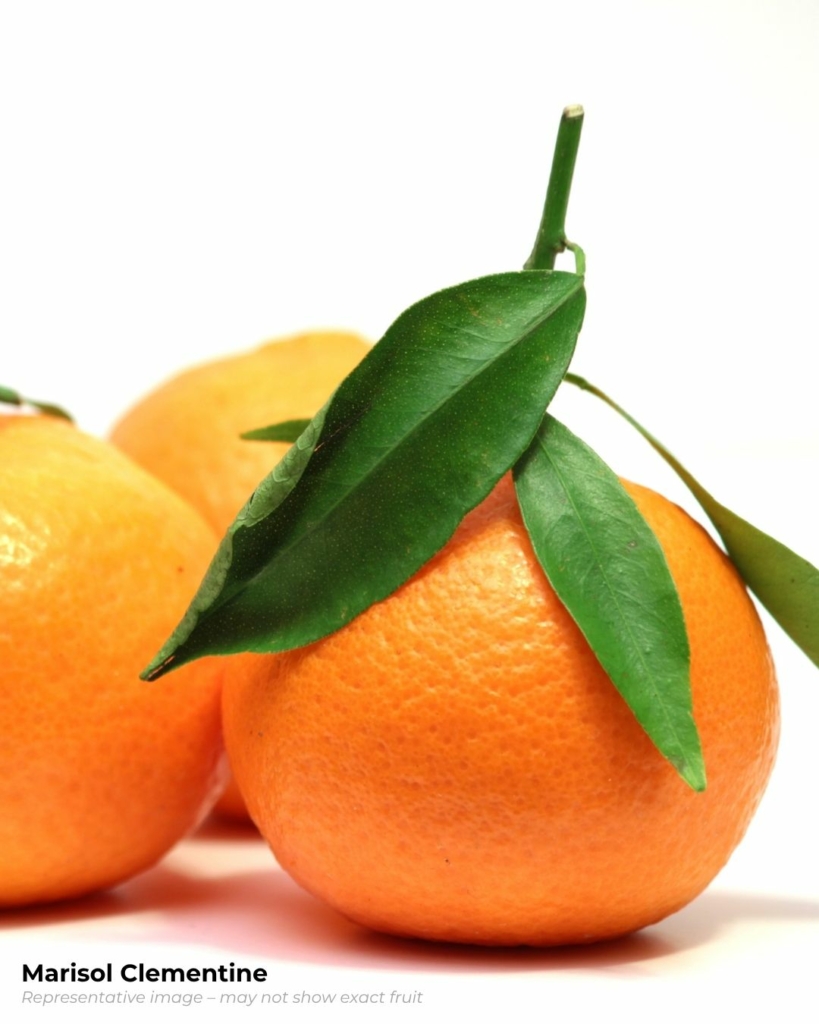
4. Marisol Clementine
- This early-ripening Spanish cultivar of clementine is sweet, easy to peel and seedless.
- Commercially available in the United States of America.
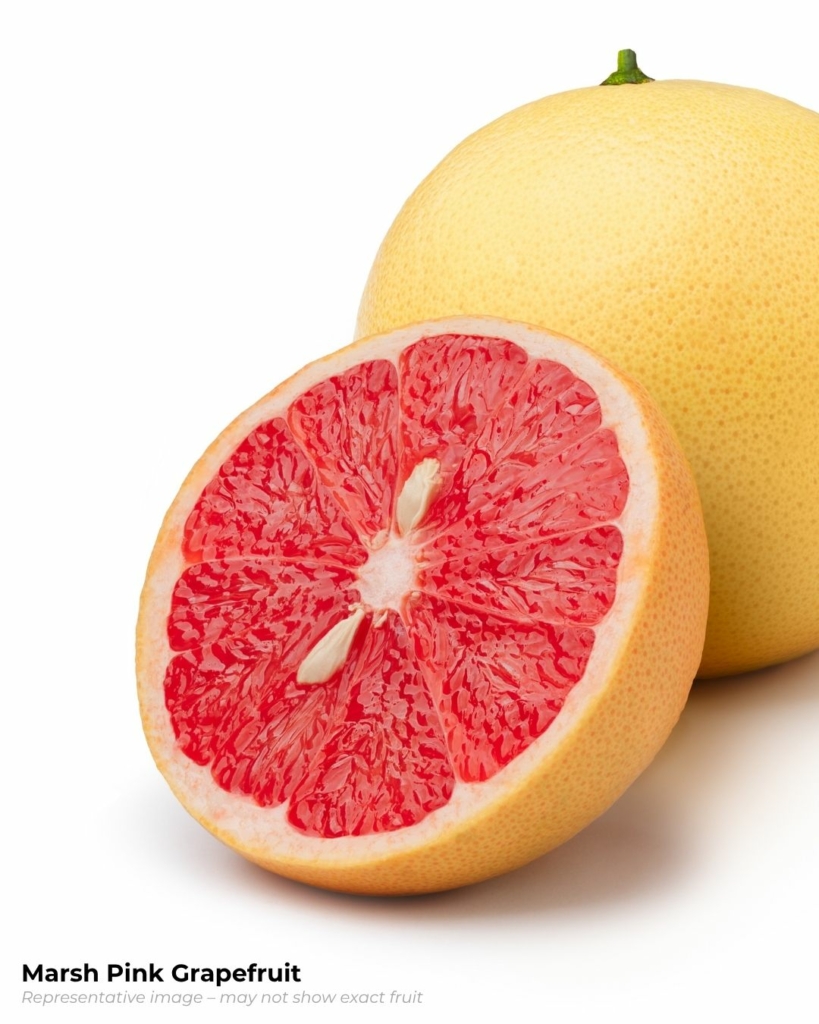
5. Marsh Pink Grapefruit
- Popular in the USA, this variety of grapefruit was developed in Florida in the 1900s (source).
- The pale pink flesh of this juicy fruit is less bitter than a traditional grapefruit, with a subtle sweetness.
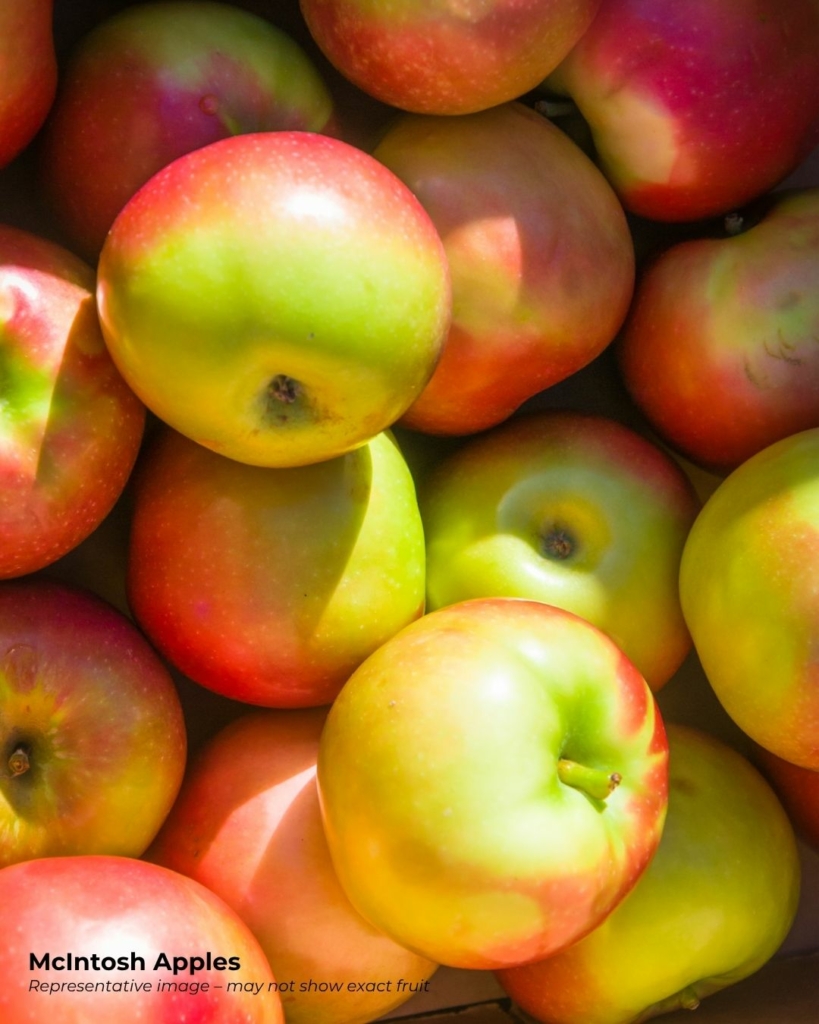
6. McIntosh Apple
- A classic North American dessert apple that has dark red skin, white flesh and a tart taste.
- Best enjoyed straight from the tree but also makes a lovely applesauce.
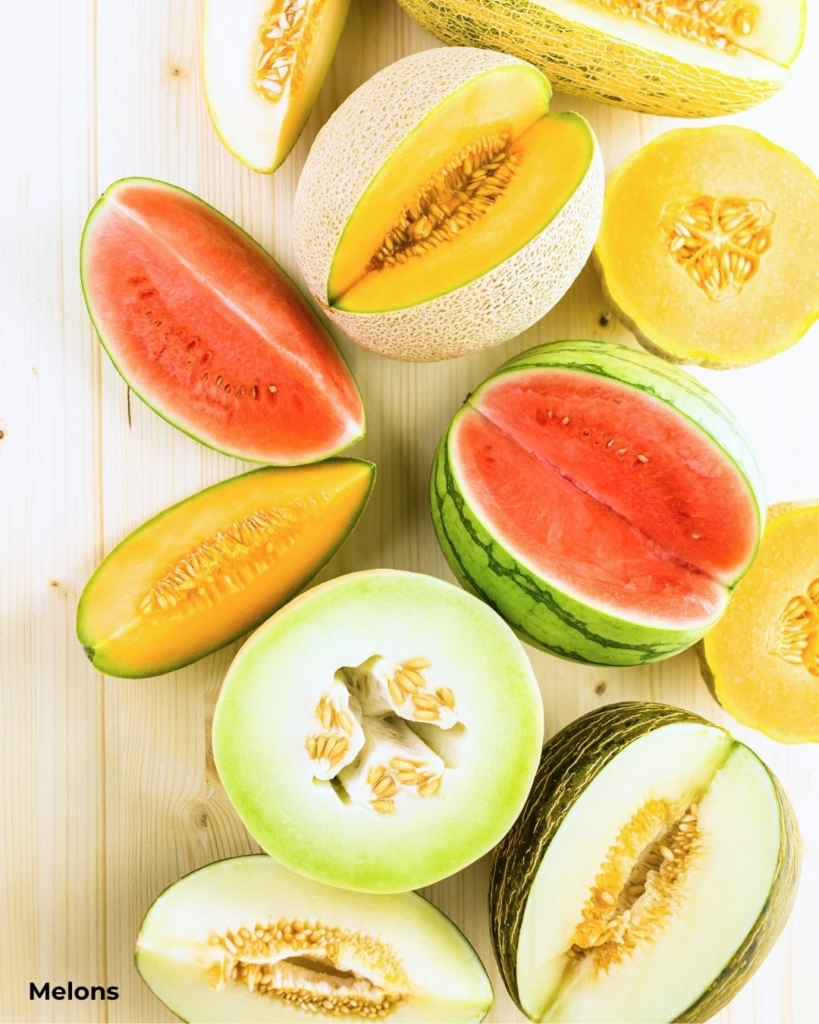
7. Melon (Cantaloupe, Honeydew, Galia)
- Technically a group of fruits!
- Refreshing, juicy and hydrating – thus perfect for summer.
- Our Mini Raw Vegan Melon Cheesecakes are creamy, fresh and made with wholesome ingredients.
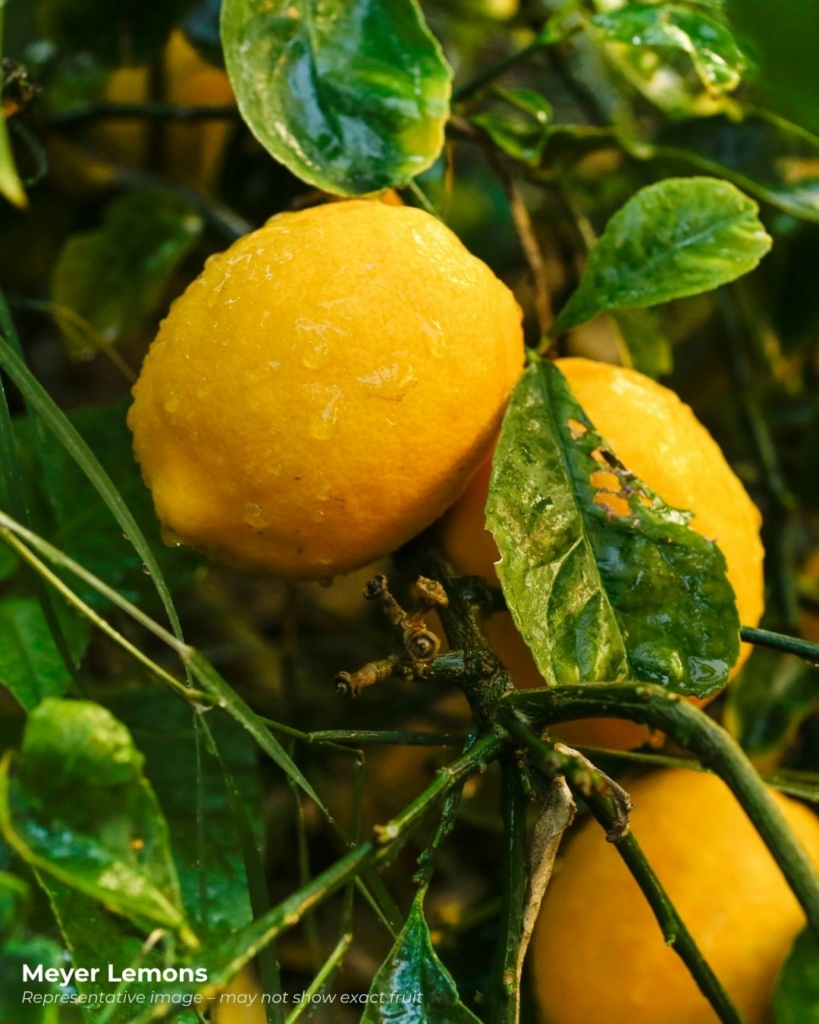
8. Meyer Lemon
- This sweeter, less acidic lemon variety has subtle floral notes and a bright yellow skin.
- This popular tangy ‘fruit that starts with M’ is native to China.
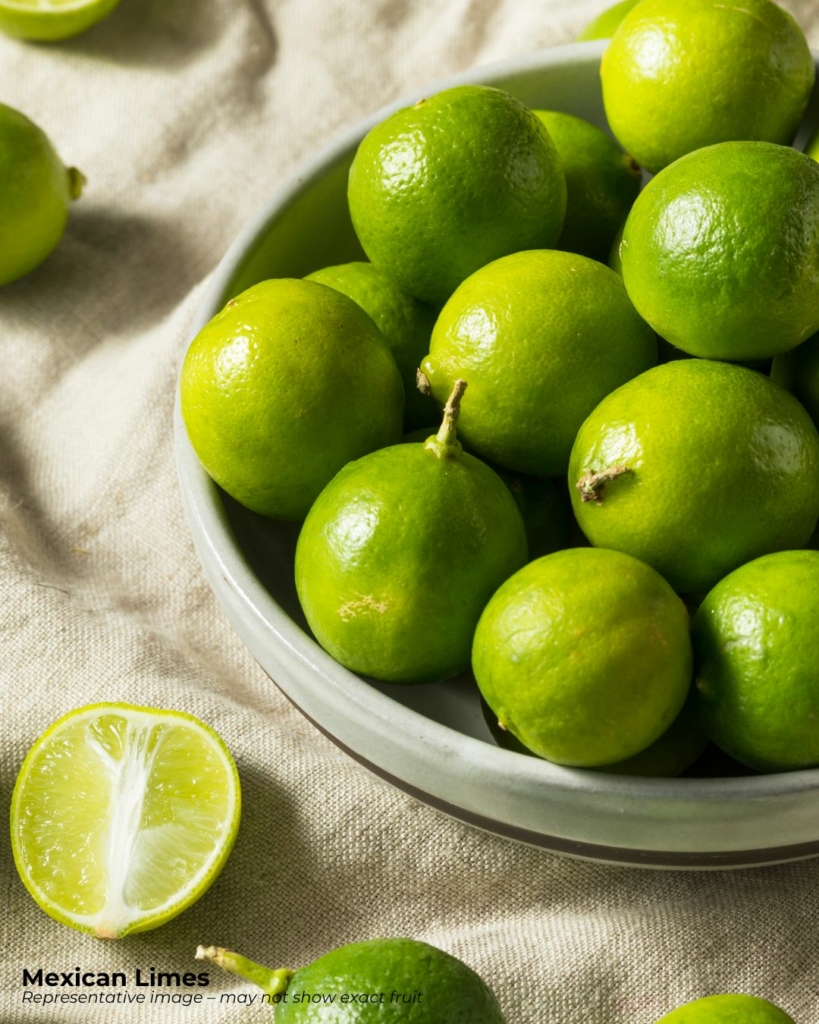
9. Mexican Limes (Key Lime)
- A bright green fruit that is about the size of a golf ball with a fragrant, zesty, tart and tangy flavor.
- Also known as the “bartenders’ lime”, these tangy fruits are popular for use in cocktails and desserts.
- Our vegan Key Lime Pie uses this fruit to create a tangy and creamy pie filling that is complimented by a crushed ginger nut biscuit base.
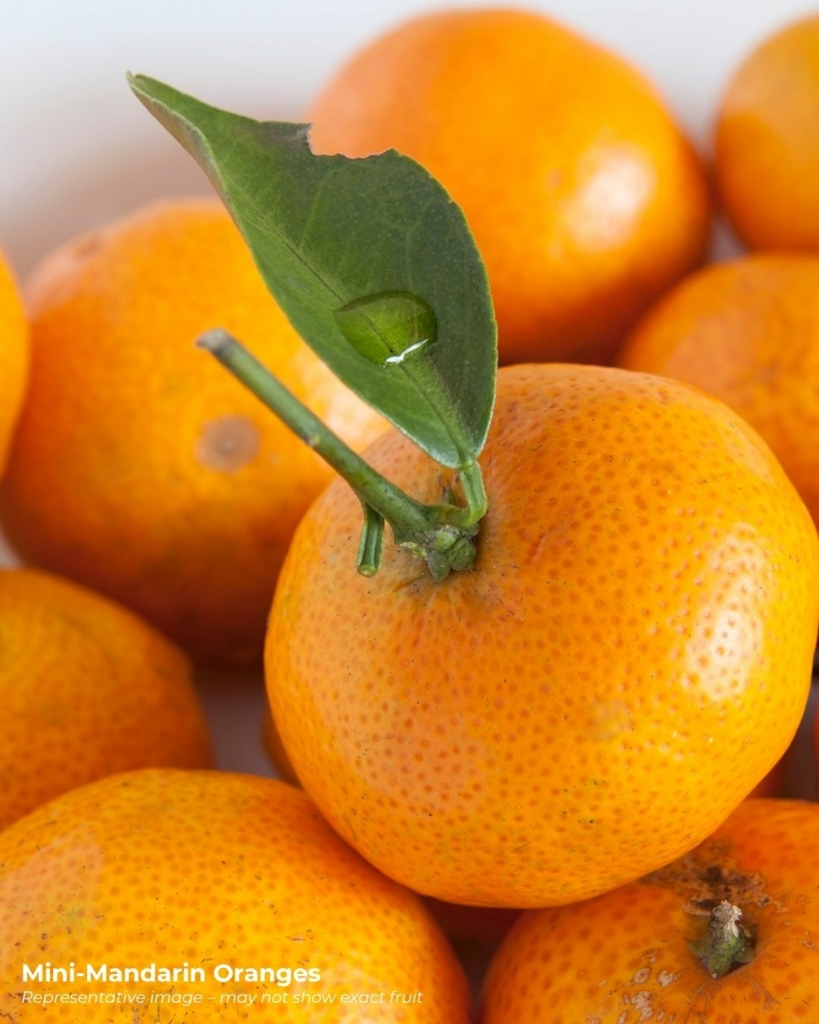
10. Mini-Mandarin Oranges
- Also known as a Baby Mandarin, these small citrus fruits are a smaller variety of the popular Mandarin Orange.
- A popular fruit that starts with M, with an easy-to-peel skin and a sweet, juicy flavour.
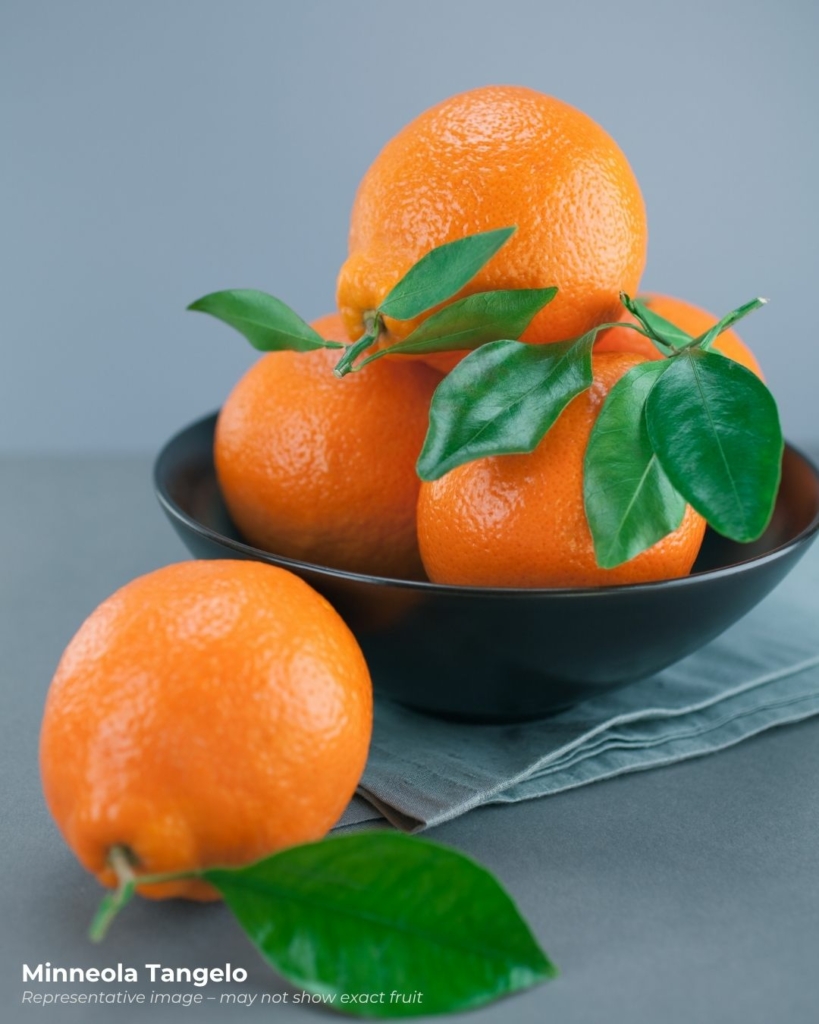
11. Minneola Tangelo
- A juicy and tangy fruit that is a hybrid of grapefruit and tangerine.
- Originally produced in Florida (source).
Exotic and Tropical Fruits That Start with M
These exotic fruits that start with the letter M are typically grown in tropical climates or subtropical regions and are often regional specialities. If you’re lucky, you may get to enjoy some of them when on holiday or as a special feature at your local fruit market:
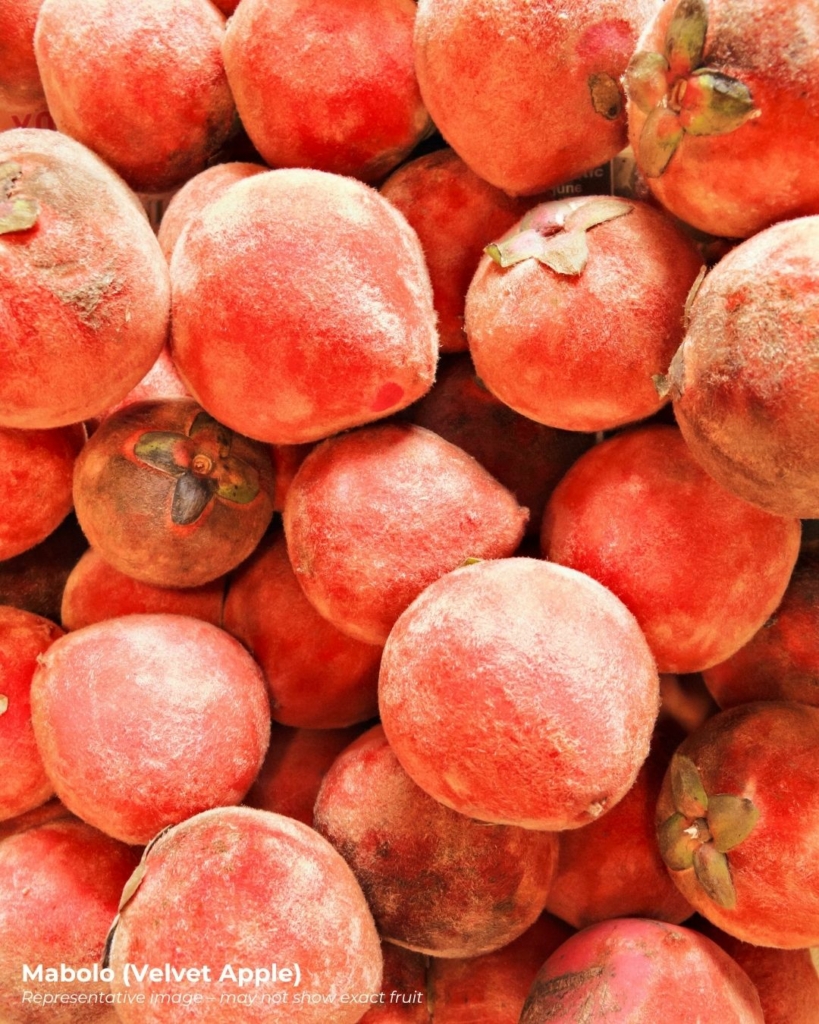
12. Mabolo (Velvet Apple)
- Native to the Philippines and closely related to the persimmon.
- The fruit has a deep red ‘velvety’ skin and white flesh that has a soft texture, sweet flavour and strong cheesy aroma, which can be a little off-putting!
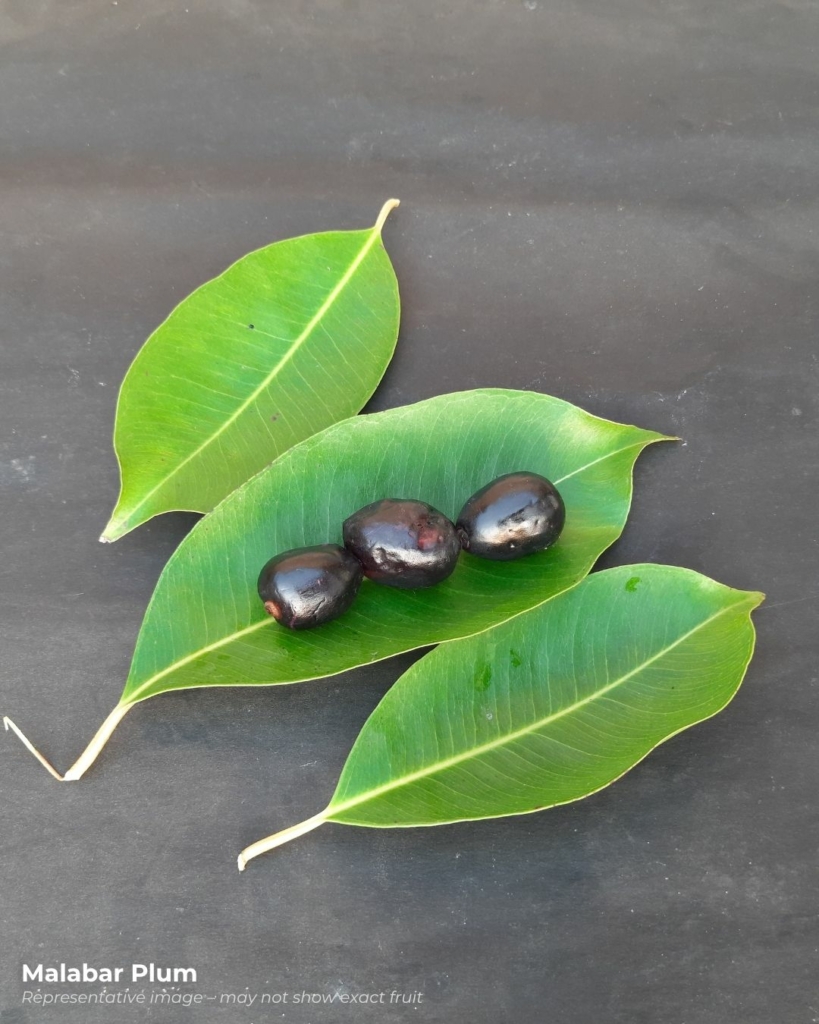
13. Malabar Plum
- A fruit that is native to the Indian subcontinent and is also known as a Java Plum or Jamun (source).
- The fruit develops a deep purple skin and a sweet, mildly sour flavour.
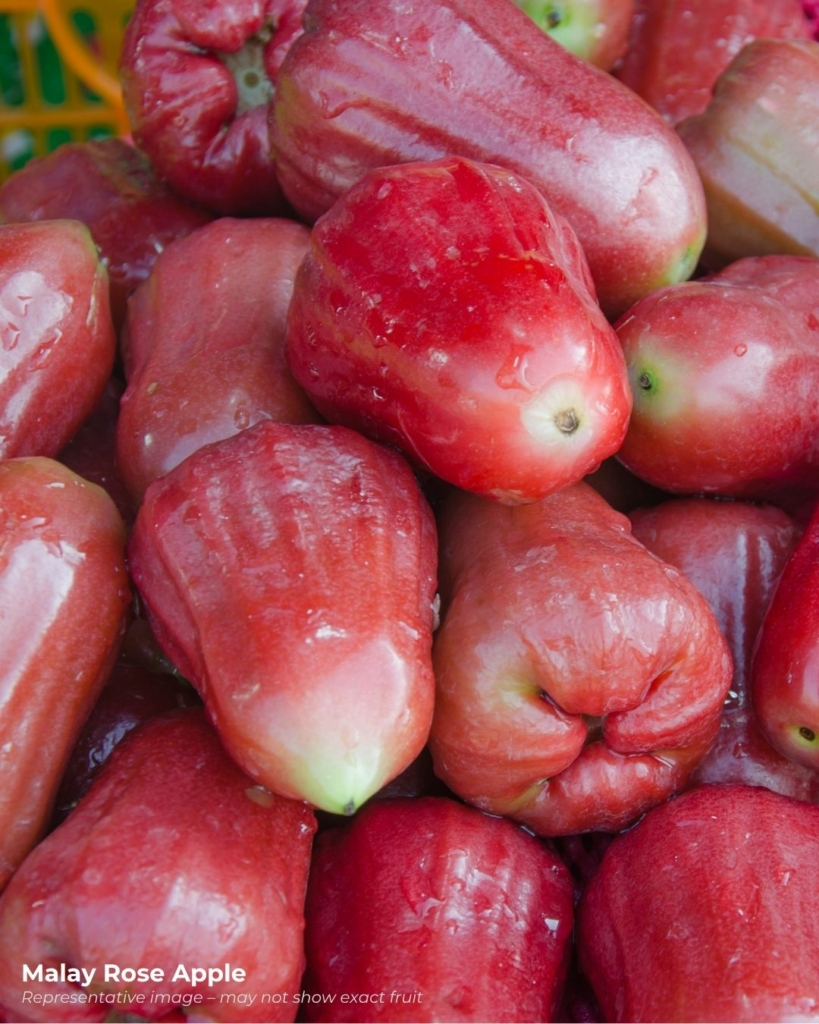
14. Malay Rose Apple (Mountain Apple)
- A fruit that grows in Hawaii and Southeast Asia
- With a mild, sweet flavour and crisp texture, similar to a pear.
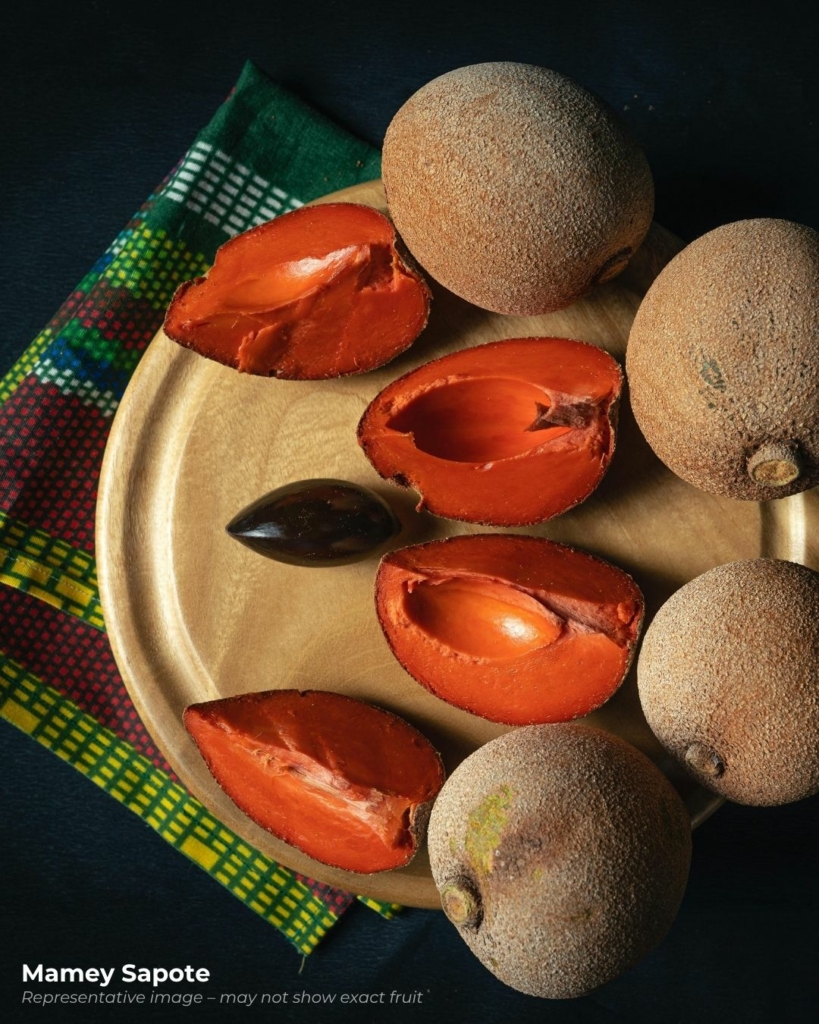
15. Mamey Sapote
- A large ‘fruit that starts with M’, with brown skin and sweet, orange flesh that looks a little like a papaya inside.
- With a unique flavor that hints of pumpkin, sweet potato, caramel and peach, it’s a real treat for your taste buds!
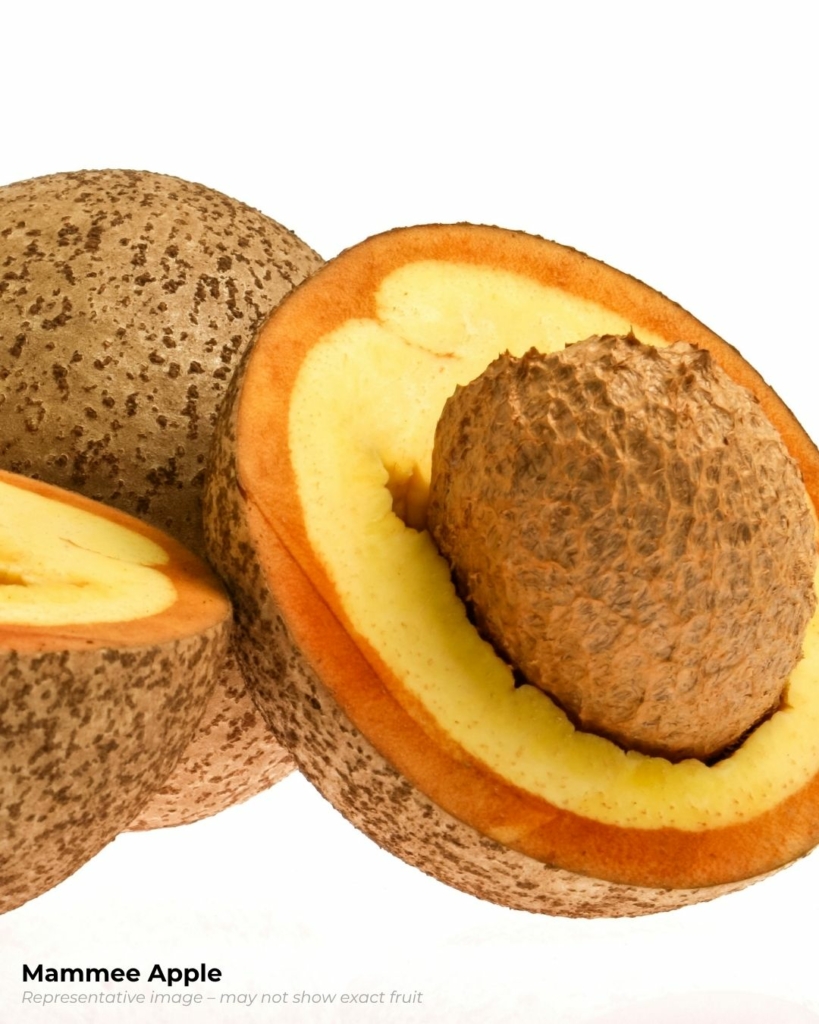
16. Mammee Apple
- A large tropical fruit with firm, bright orange flesh and a flavour similar to apricot.
- Native to the West Indies and Northern South America.
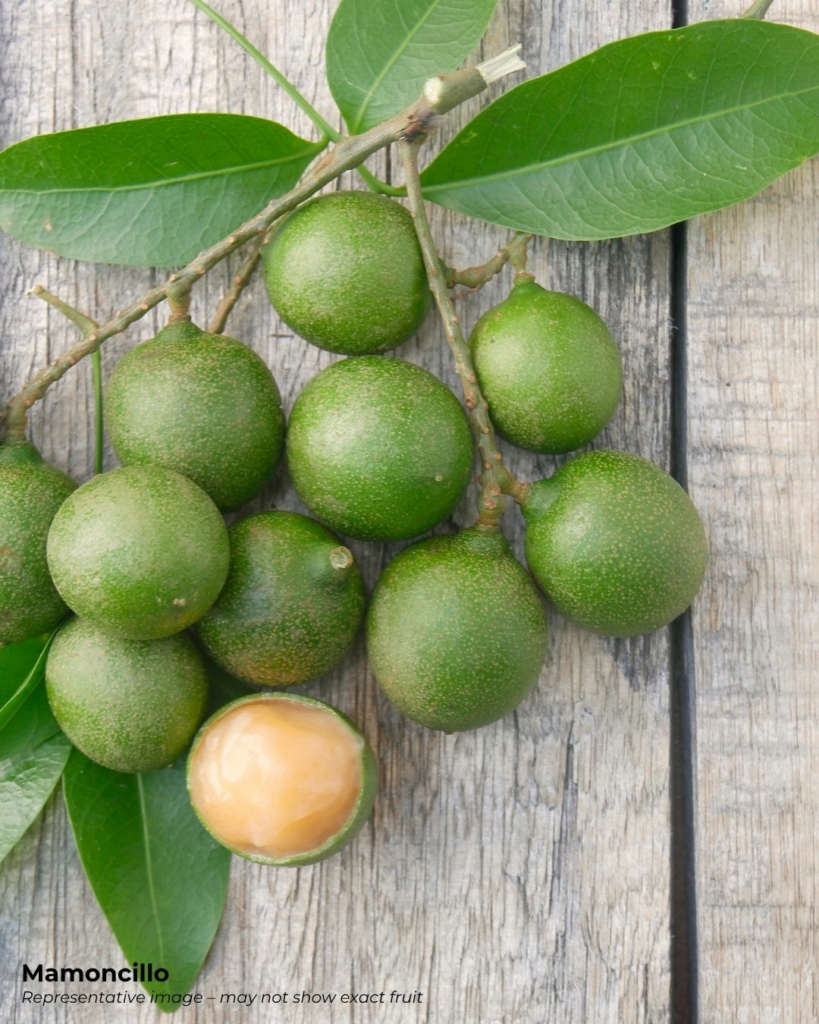
17. Mamoncillo (Spanish Lime)
- A small green tropical fruit with jelly-like flesh.
- With a large seed in the middle, similar to a lychee.
- Popular in the Caribbean and Latin America; the Mamoncillo is an exotic fruit that starts with M!
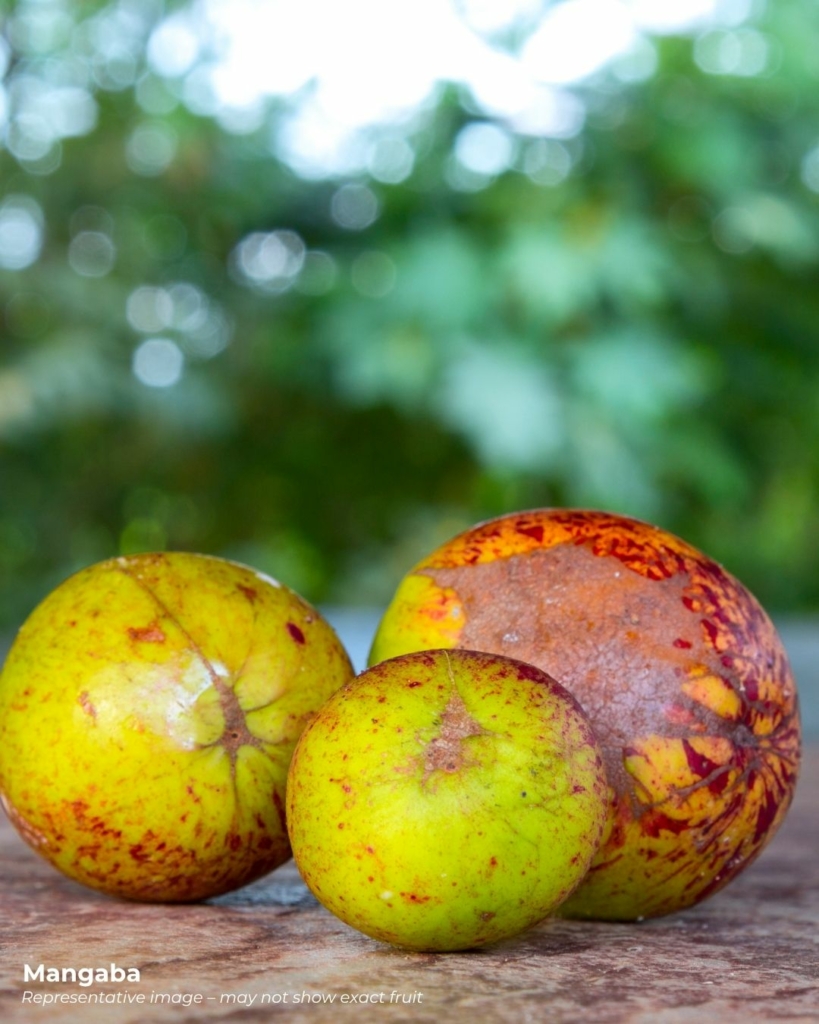
18. Mangaba
- A popular tropical fruit that is native to Brazil.
- These fruits have a sweet and tangy citrus-like taste, a thin peelable skin and a white or cream pulp that resembles custard or yoghurt (source).
- The Mangaba fruit is often enjoyed fresh and juiced, as well as being popular in ice cream, jams and wines.
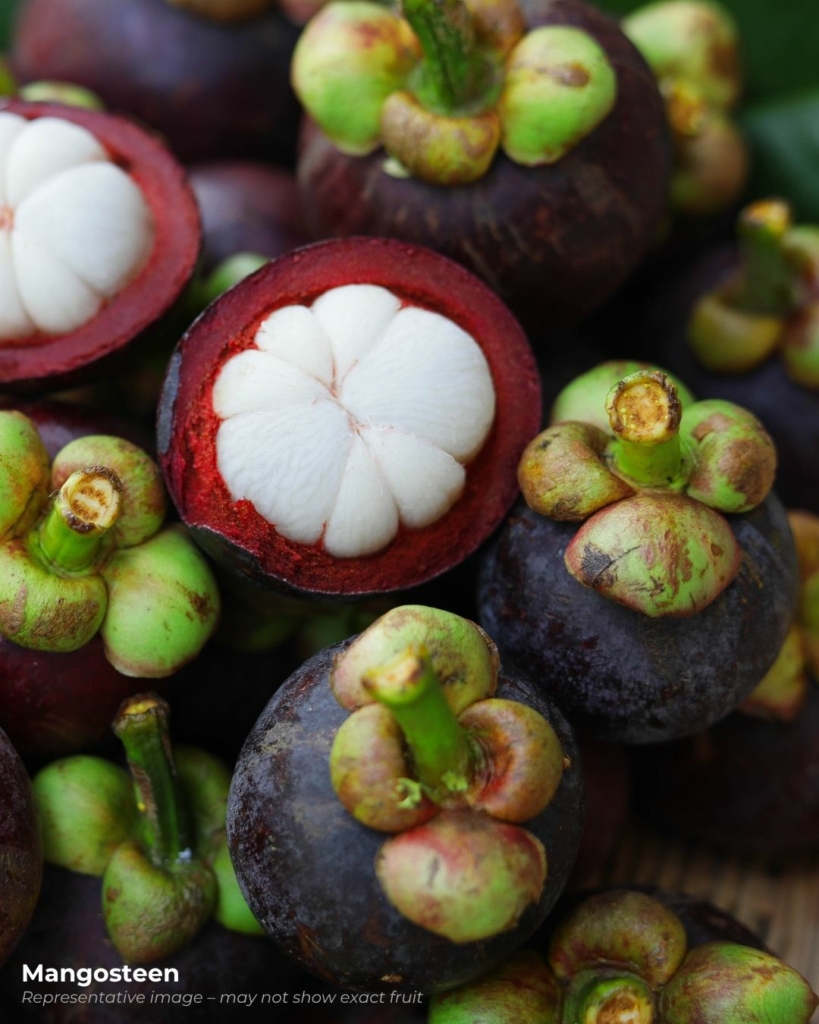
19. Mangosteen
- Known as the ‘queen of fruits’.
- With sweet, tangy white flesh inside a thick purple rind, that looks a bit like a passion fruit.
- This pretty purple and white ‘fruit that starts with M’ is native to Southeast Asia.
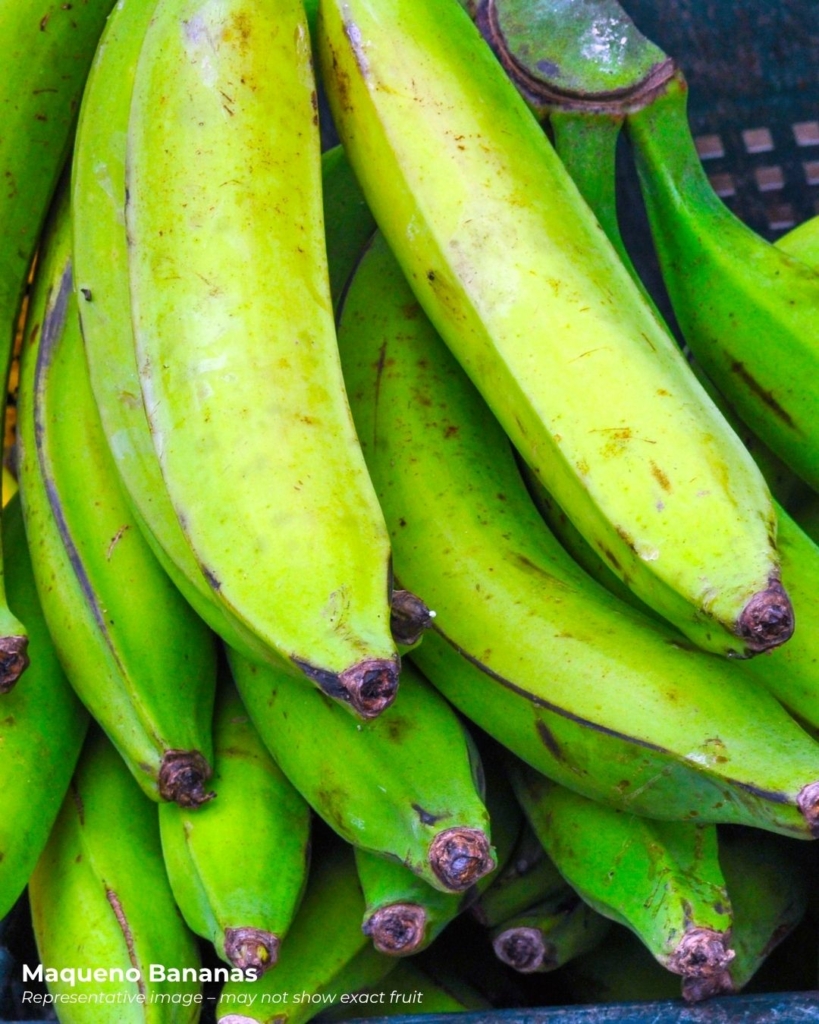
20. Maqueño Banana
- Native to Ecuador and also known as ‘Ecuadorian Bananas’.
- A variety of banana that is often referred to as plantain because of its popularity in cooking.
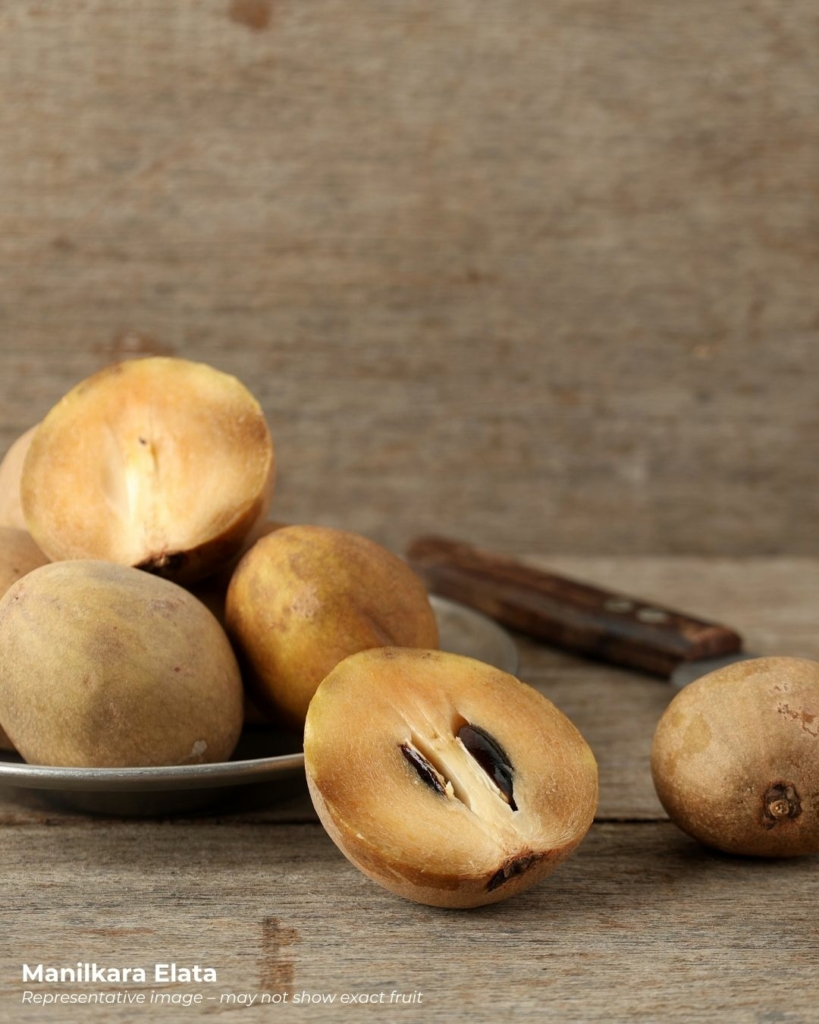
21. Manilkara Elata
- Native to Brazil and also called the ‘Cow Tree’.
- The fruit of the Manilkara Elata looks like a small apple, with a creamy, milk-like texture (source).
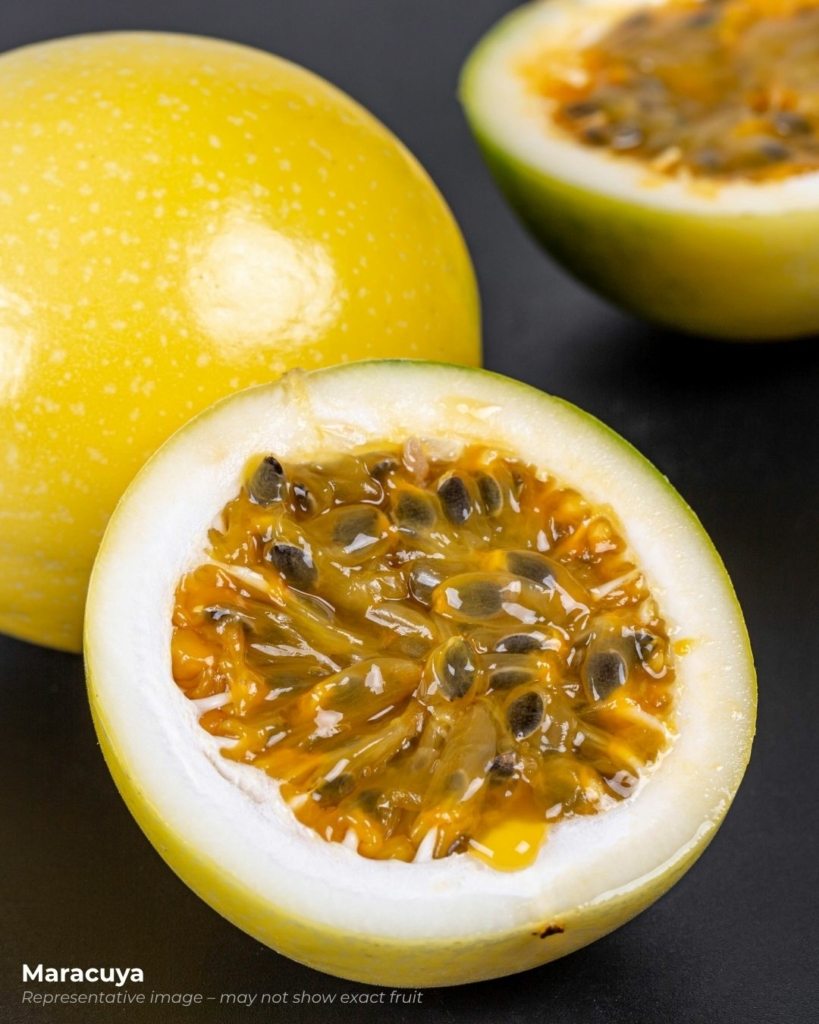
22. Maracuya
- A yellow skinned Passion Fruit that is native to South America but is sold around the world.
- This small fruit has a sweet aroma and sour taste.
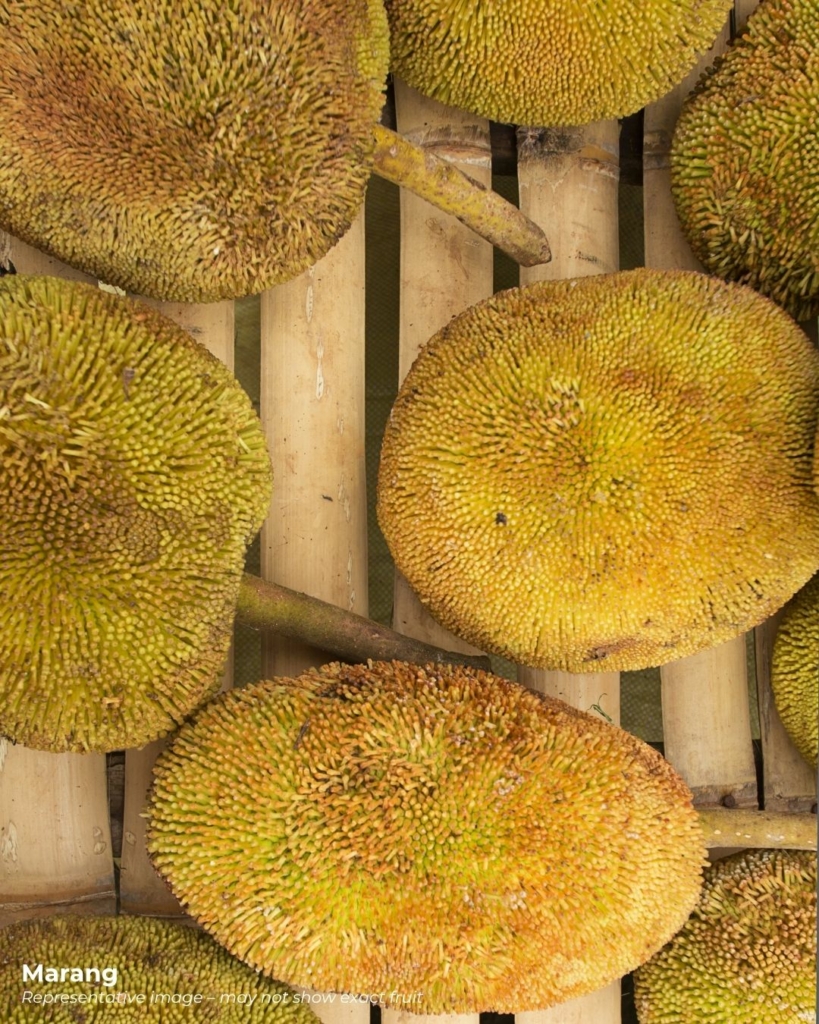
23. Marang
- Also known as Terap, this large, round fruit is related to Jackfruit and grows throughout the Philippines.
- With a sweet and aromatic taste that has hints of pineapple and pear.
24. Masak Hijau Banana
- A popular banana cultivar in Southeast Asia and the West Indies (source).
- Often eaten ripe but also used in cooking due to its firm texture, similar to plantains.
25. Maypop
- Native to North America.
- The maypop fruit is also known as “Wild Passionfruit”; it has a tart pulp that is most often used in jellies and jams.
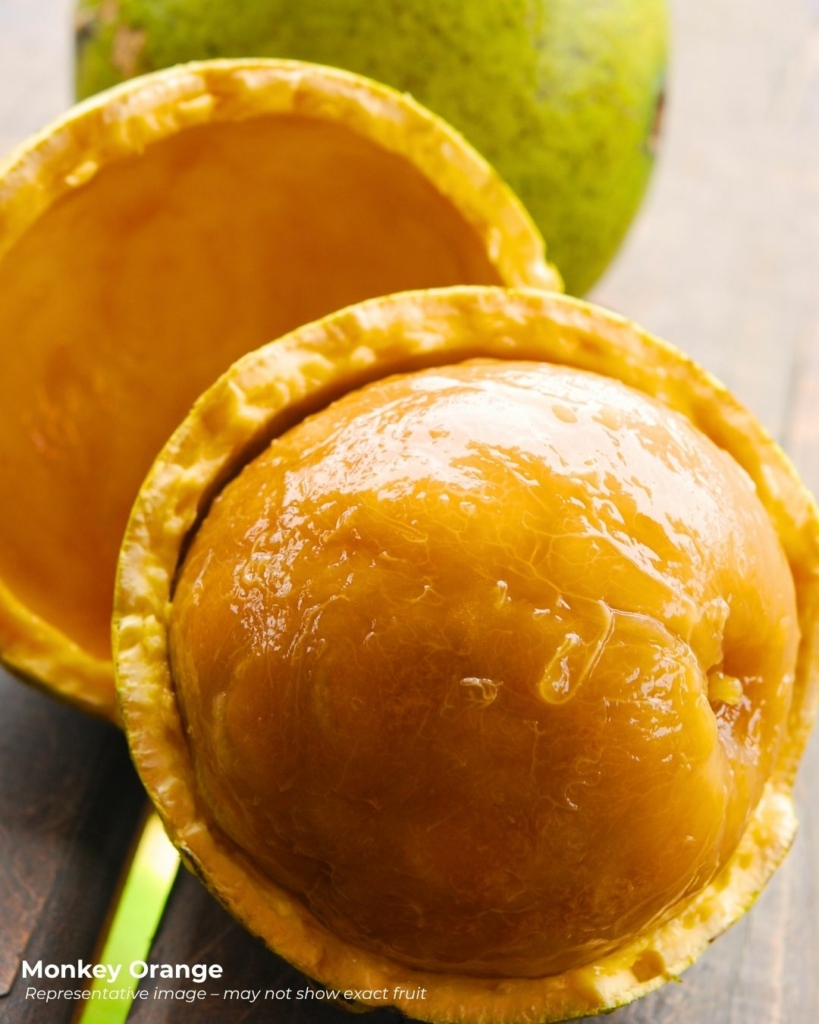
26. Monkey Orange
- A fruit that is native to sub-Saharan Africa.
- A hard-shelled fruit with a sweet, edible pulp when ripe and inedible, toxic seeds (source)
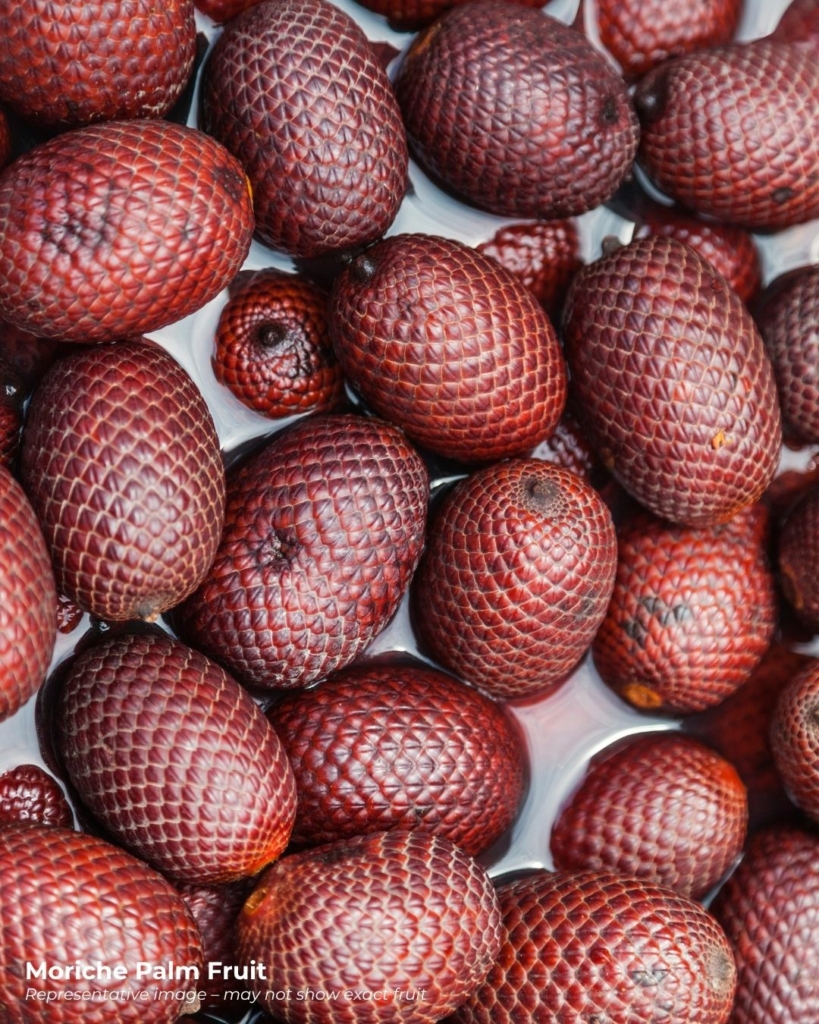
27. Moriche Palm Fruit (Aguaje)
- This Amazonian fruit looks a little like a small, shiny pine cone, with a rich brown textured skin and yellow-orange flesh inside.
- The flesh has a sweet and sharp flavour and is rich in vitamins A and C (source).
Medicinal, Functional or Unique Fruits That Start With M
These fruits are celebrated for their health benefits, have functional properties or have unique qualities:
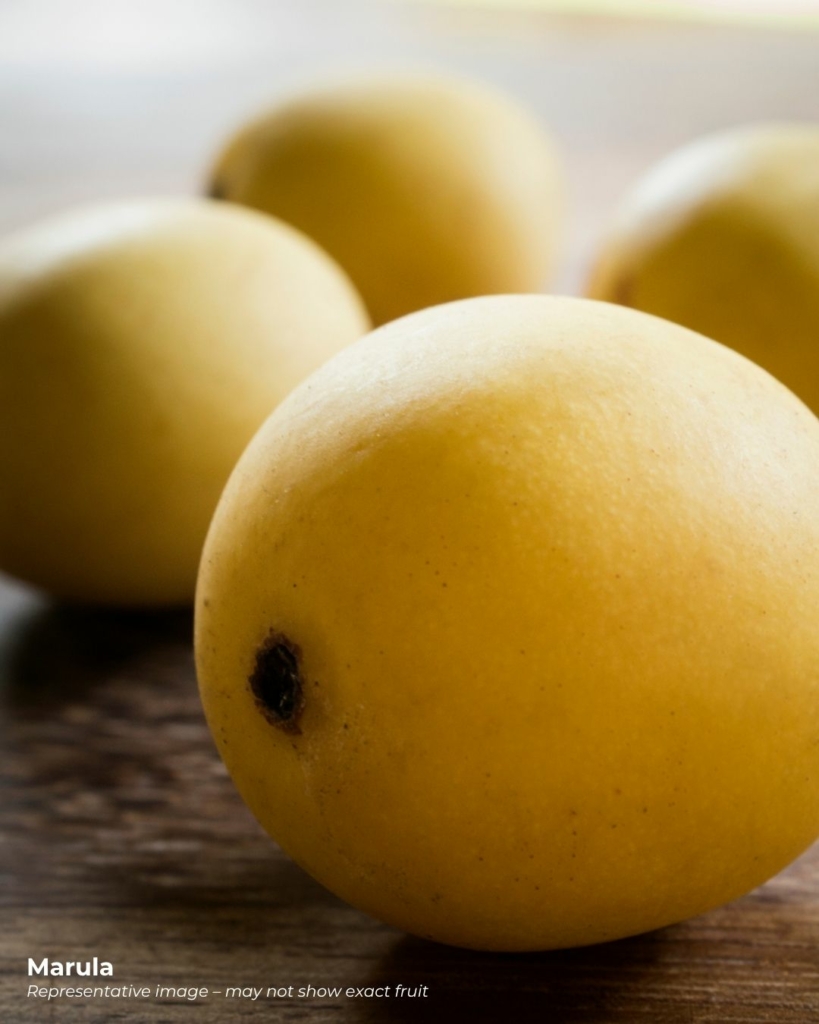
28. Marula
- A plum-size fruit that is native to Southern Africa.
- Often used to make cream liqeur (Amarula) and fermented juices
- Used in traditional medicine by local communities, believed to treat various ailments, although studies are limited (source).
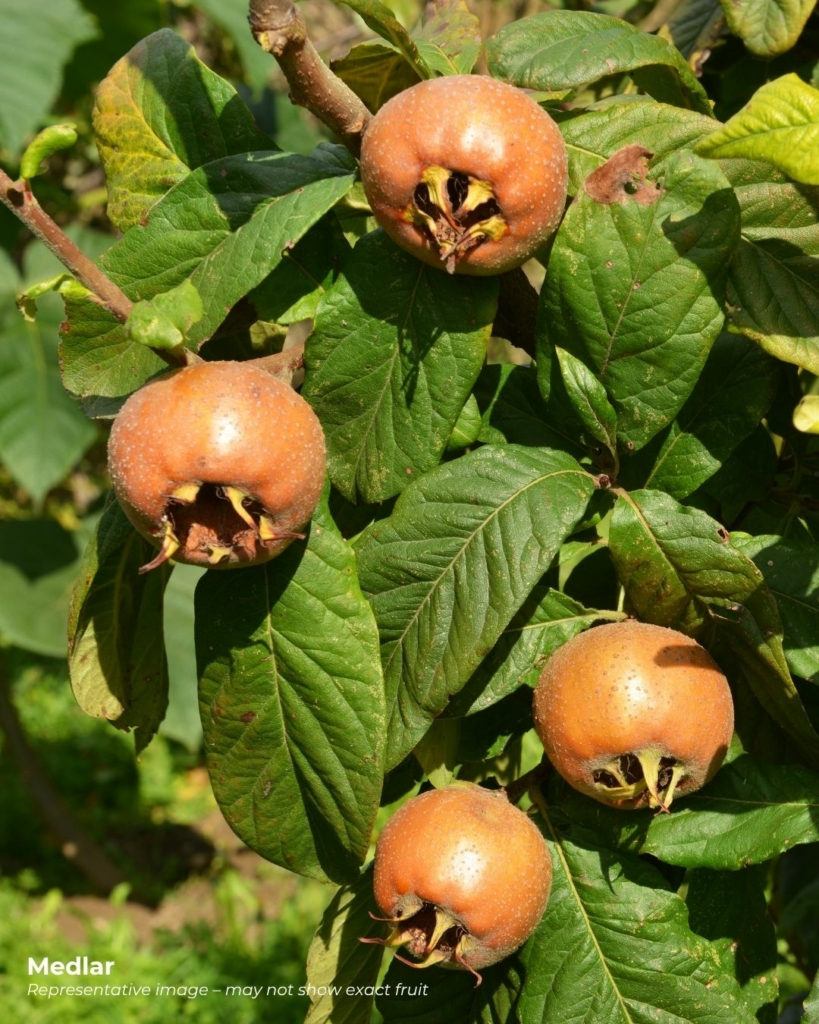
29. Medlar
- Medlar fruit, once bletted (softened/ripened), has a ‘rotten’ appearance and a spiced apple flavour.
- Once a popular wintertime fruit in the UK, but they are now less widely grown.
- The fruit is rich in vitamin C and the French believed that medlar trees had magical powers that could protect them from witchcraft! (source)
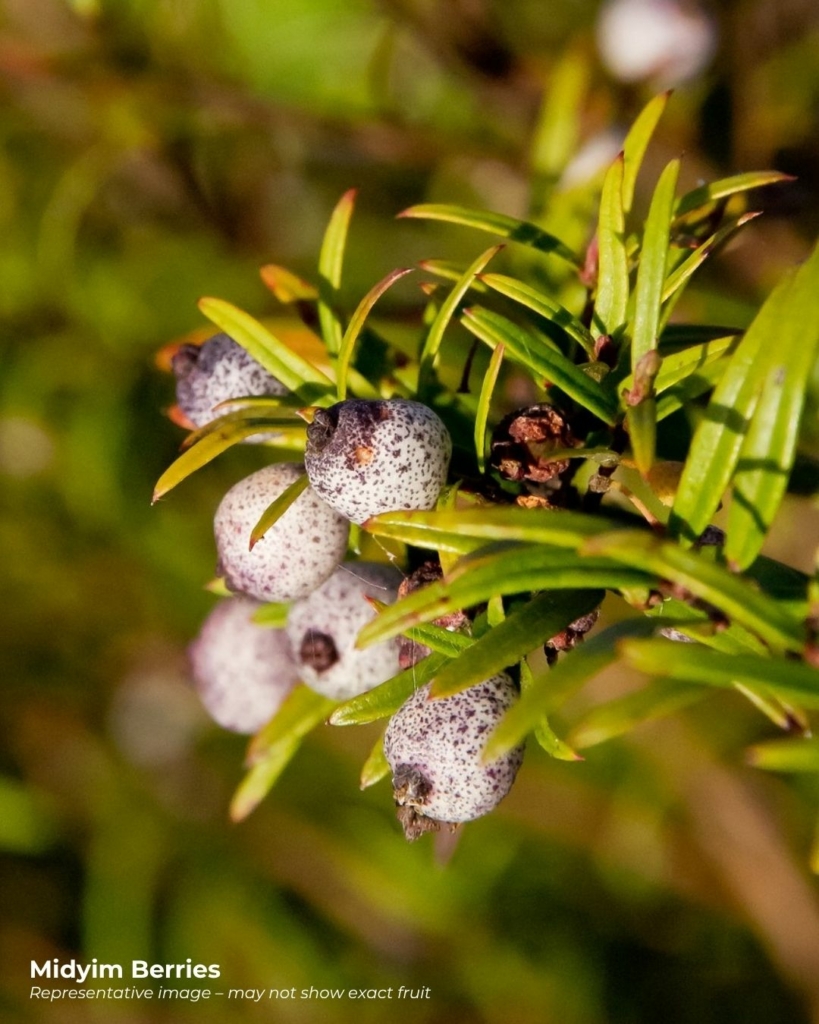
30. Midyim Berry (Midgen Berries / Sand Berries)
- A fruit that is native to Australia and traditionally consumed by Aboriginal Australians.
- Small white speckled berries with sweet, soft flesh and a taste that is similar to blueberries.
- It is believed that the Midyim berry has been used in traditional Aboriginal medicine for a variety of ailments, including coughs and colds (although there is no scientific evidence to support this use) (source).
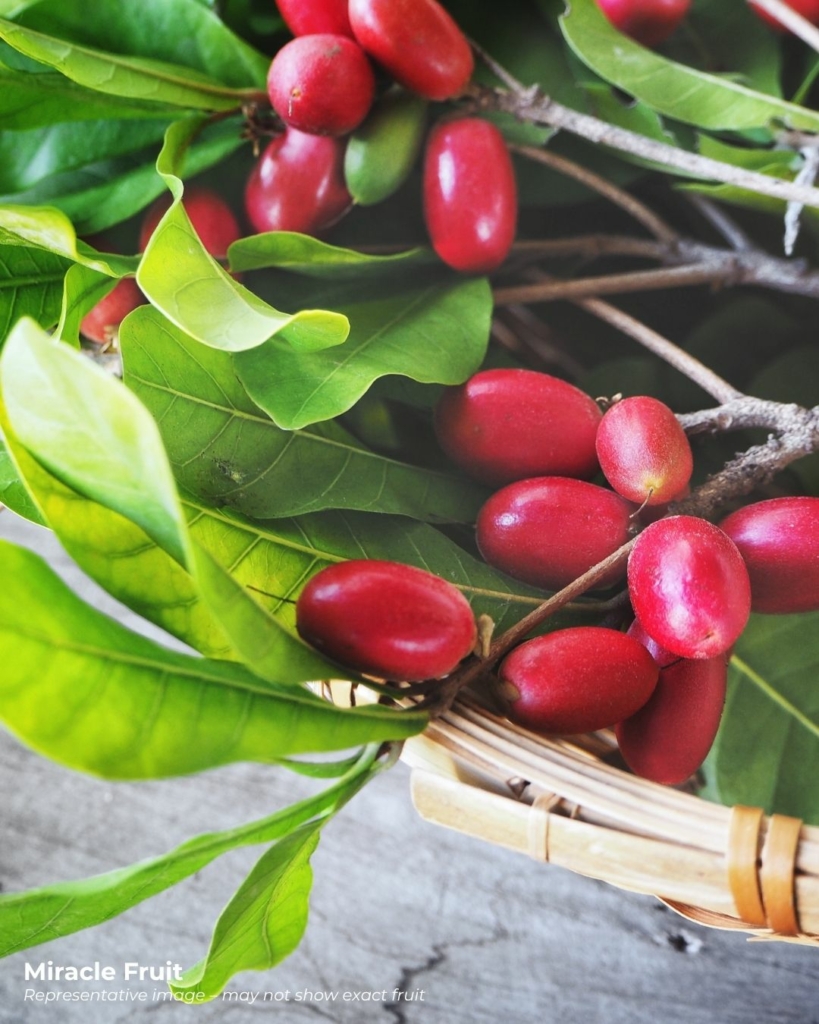
31. Miracle Fruit
- These berries are native to West Africa.
- Due to a protein called ‘miraculin’, when the berries are eaten with a sour food (such as lemon), they can change the perception of that food to make it taste sweet. What an interesting fruit! (source)
- Miracle fruit might cause an allergic reaction in some people (source).
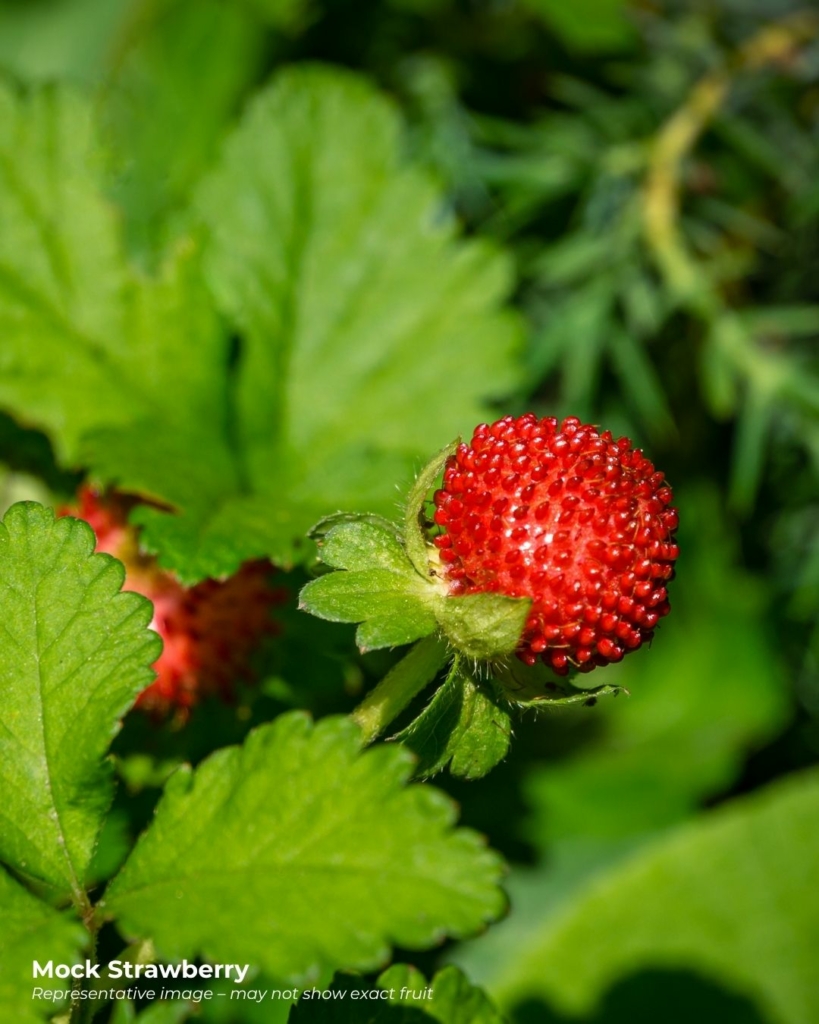
32. Mock Strawberry
- Looking like a rather appetising (but bumpier) strawberry, sadly, the mock strawberry has very little flavour and is therefore more often used for ground cover.
- The leaves of the mock strawberry are sometimes crushed and used as a possible treatment for some skin conditions (source). It is also used in China as a medicinal herb (source).
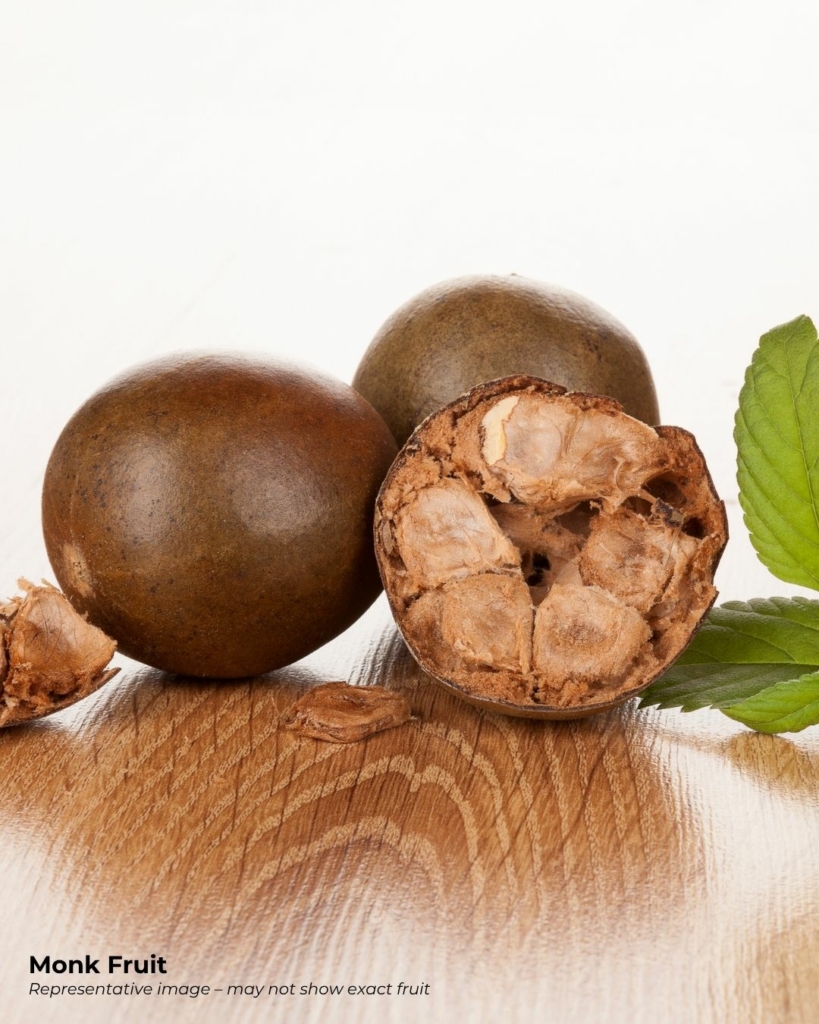
33. Monk Fruit (Luo Han Guo)
- A small, round, sweet fruit native to southern China, which is rarely eaten fresh because it ferments quickly after it is harvested.
- Monkfruit has been used for centuries in traditional Chinese medicine to make hot drinks that are believed to relieve sore throats (source).
- Often juiced, dried and turned into a zero-calorie natural sweetener that is 100-250 times sweeter than sugar (source).
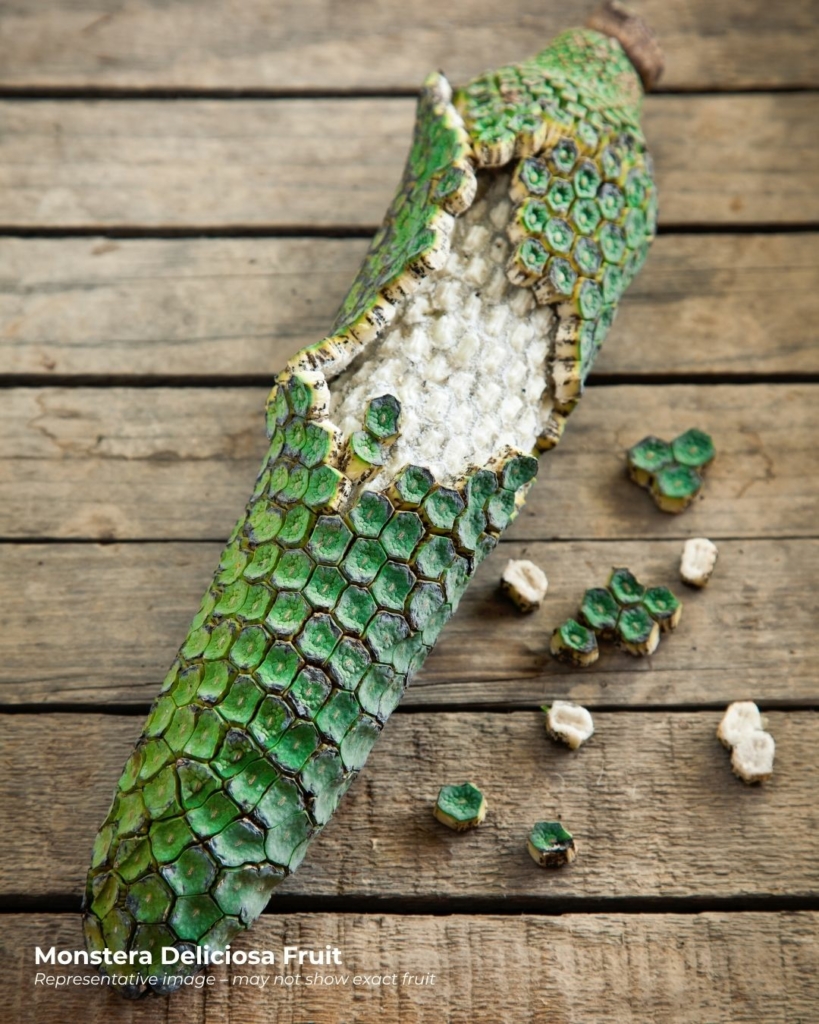
34. Monstera Deliciosa (Swiss Cheese Plant Fruit)
- The fruit is toxic when unripe, but when fully ripe, it tastes like a blend of banana, coconut and pineapple.
- Rare and tropical, this plant is often grown as a houseplant.
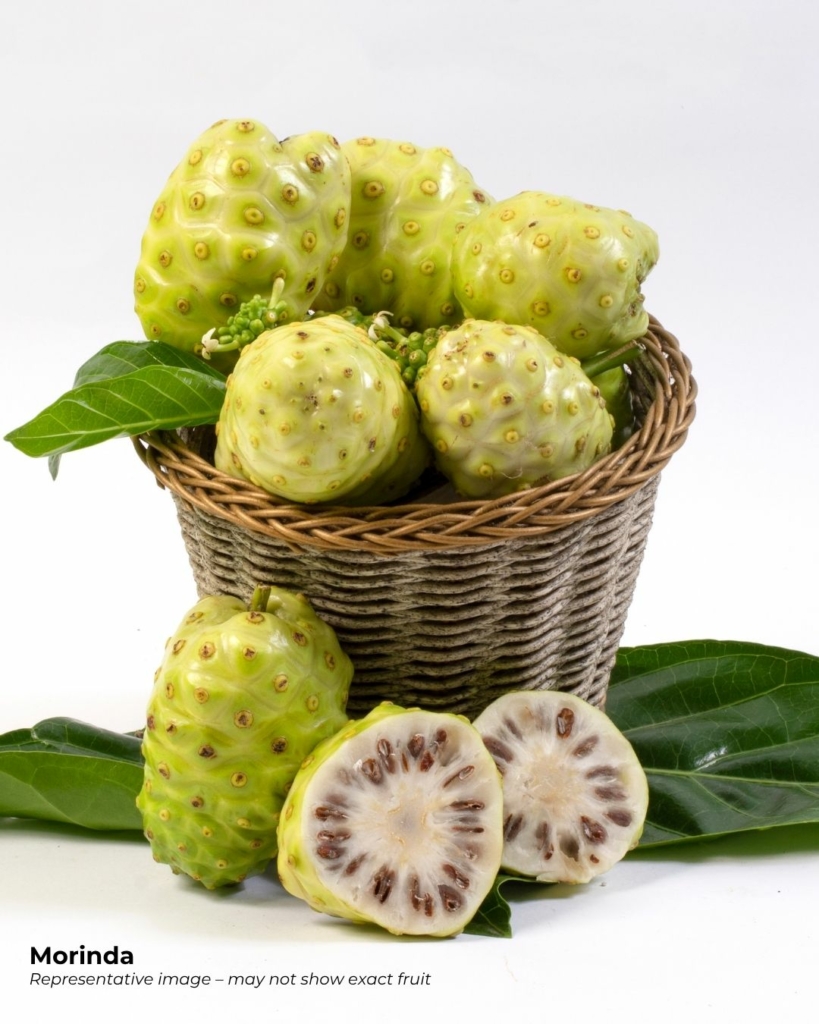
35. Morinda (Noni Fruit)
- Also known as ‘vomit fruit’, it has a strong odour and bitter taste. You might know it from the bush tucker trials of ‘I’m A Celebrity, Get Me Out Of Here!’ It sounds like the least appetising ‘fruit that starts with M’!
- Used in traditional folk medicine in Polynesia for over 2,000 years (source) where it is believed to be a remedy for ailments such as pain and arthritis.
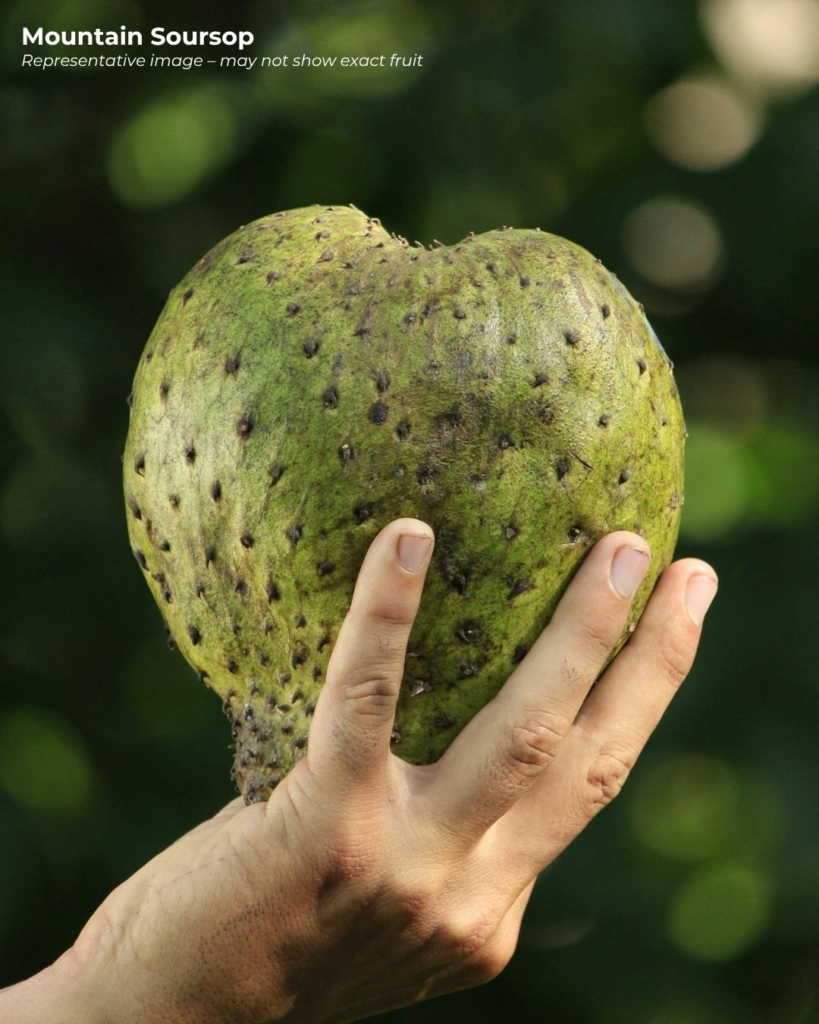
36. Mountain Soursop (Annona Montana)
- Native to Central America, the Amazon and the Caribbean.
- The fruit of the Mountain Soursop tree has tart, pulpy flesh (often described as tasteless) and toxic seeds (source).
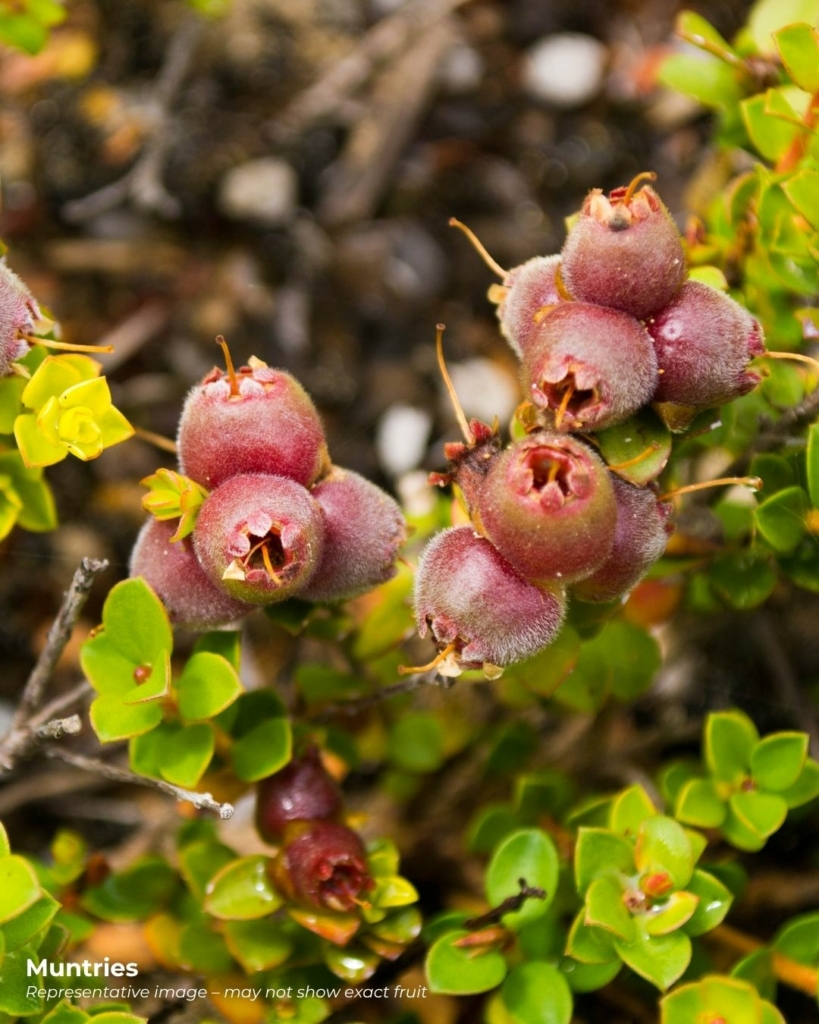
37. Muntries (Emu Apple)
- This small berry is native to southern Australia and has been used in traditional Aboriginal medicine to treat coughs, colds and wounds (however there is no scientific evidence to support these uses) (source).
- The berries have a sweet and tart cinnamon-apple flavour that is suited to jams, jellies, pies and muffins. It sounds like a delicious fruit that starts with M!
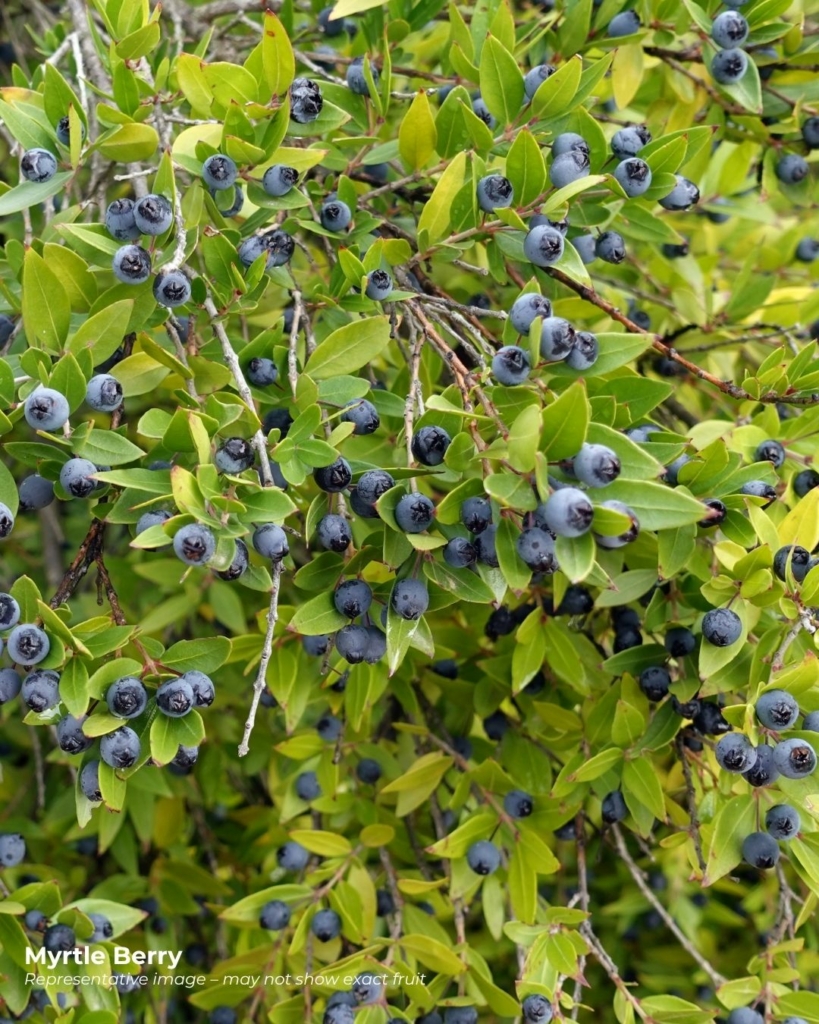
38. Myrtle Berry (Myrtus Communis)
- An aromatic berry that is used in jams, liqueurs and Mediterranean dishes.
- With a dark blue colour and tart flavour.
- Myrtle fruit is used in traditional Persian medicine and is believed to contain chemicals that could reduce swelling (source) and is believed to help treat a range of issues, including anxiety and insomnia (source).
Traditional, Heirloom and Heritage Fruits That Start With M
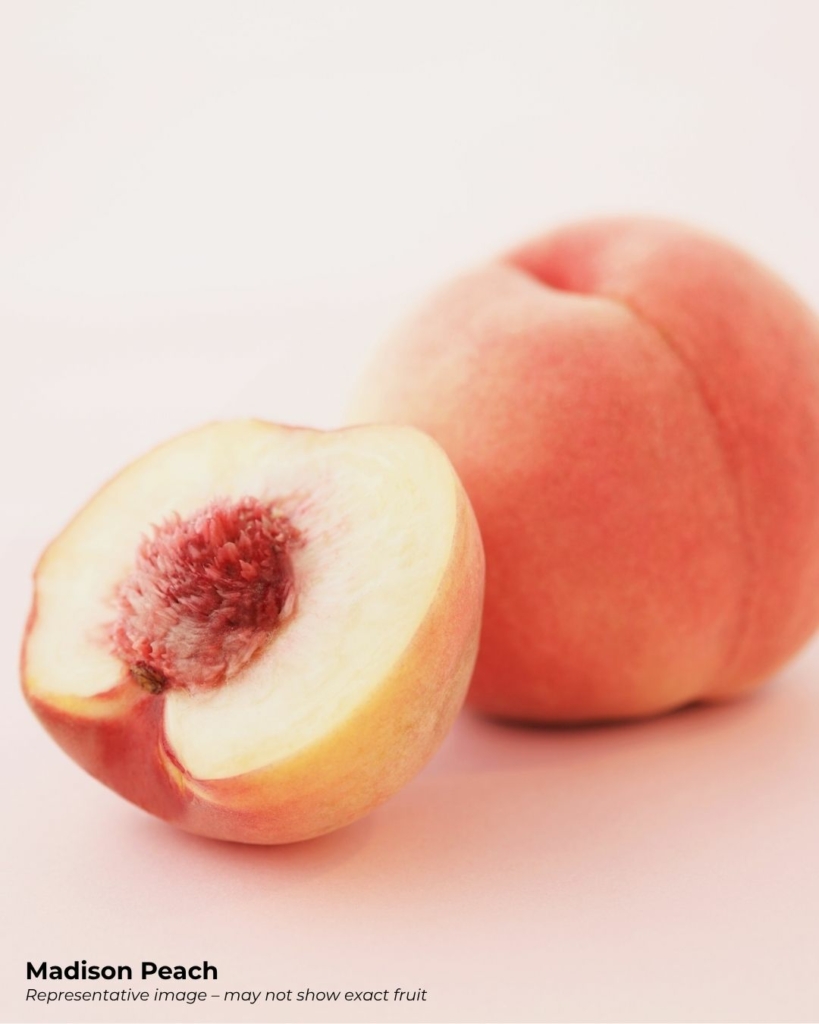
39. Madison Peach
- A bright red peach with a firm but juicy texture and orange-yellow flesh.
- The Madison was introduced in Virginia in 1963 and quickly became a popular variety in North America due to the tree’s tolerance of cold temperatures (source).
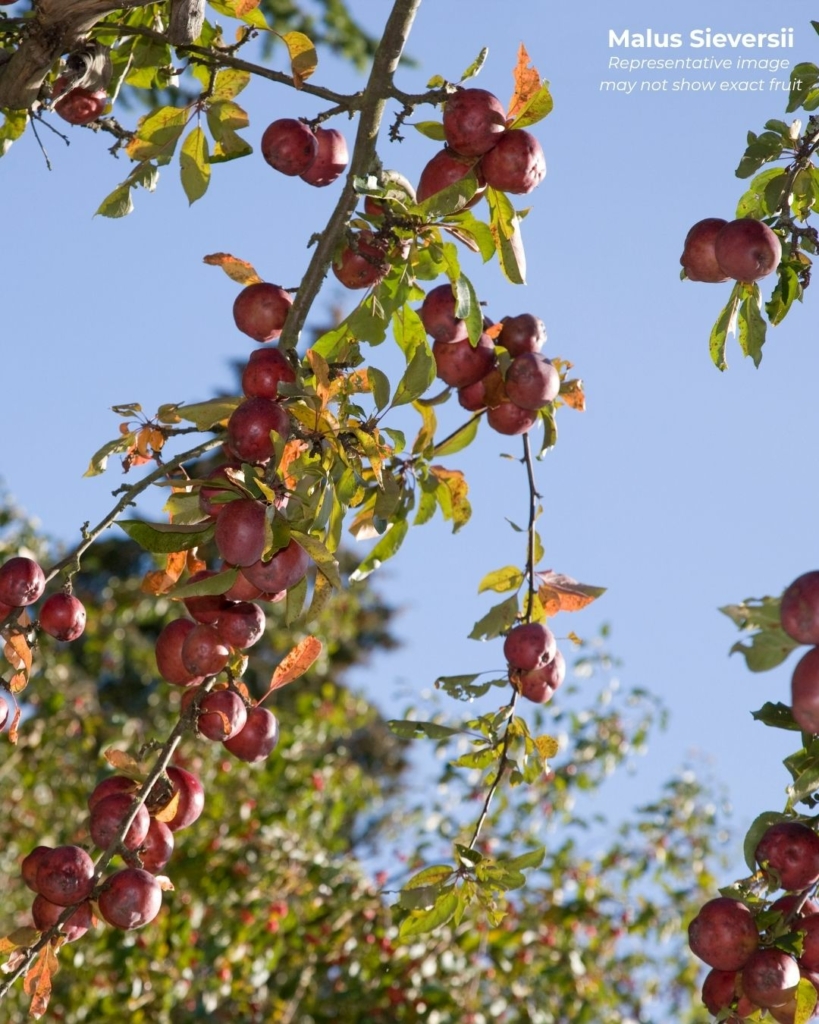
40. Malus Sieversii
- This wild apple is believed to be the primary ancestor of the domestic orchard apple (source) and is native to Central Asia.
- Flavours range from sweet to sour and bitter.
41. Margil Apple
- A classic old variety of apple that originated in France circa 1690 (source).
- With a sweet, aromatic flavour and exotic scent.
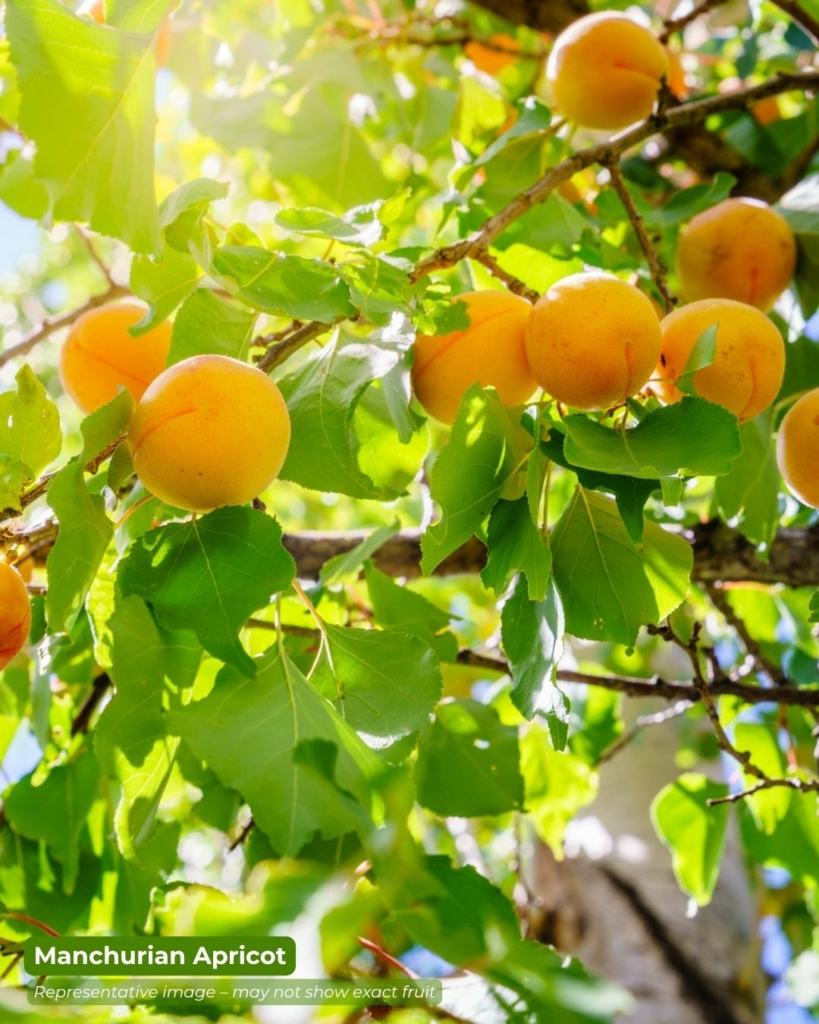
42. Manchurian Apricot
- A cold-hardy apricot variety that is native to Northeast China, Korea and Manchuria.
- First described in 1883 as a variety of the Siberian apricot (source), this fruit tends to have a sweet but slightly acidic flavour, which lends itself well to making jams and compotes.
43. Manchurian Cherry (Prunus maackii)
- This tart, slightly bitter cherry variety is native to East Asia.
- The small, black fruit is often used for jams or jellies (source).
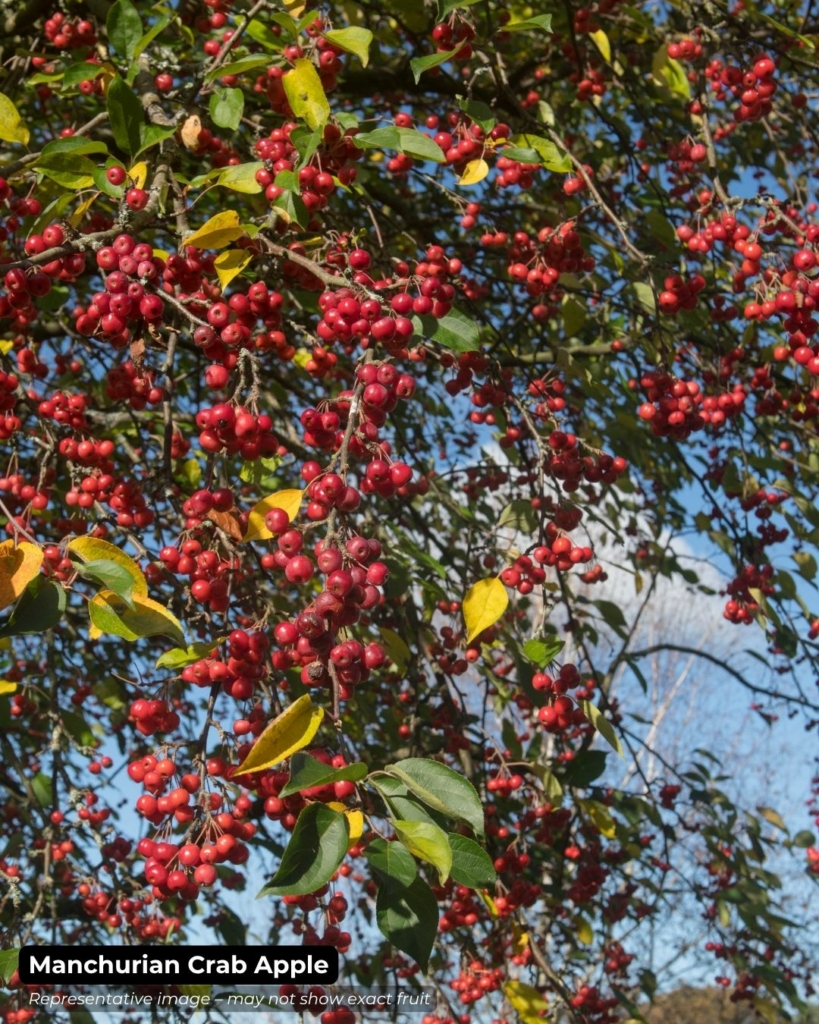
43. Manchurian Crab Apple (Malus Baccata Var. Mandshurica)
- This sour-flavoured crabapple tends to be used in jellies, mixed with other fruit or pressed for sharp cider (source).
- Native to Northern Asia but now grown worldwide.
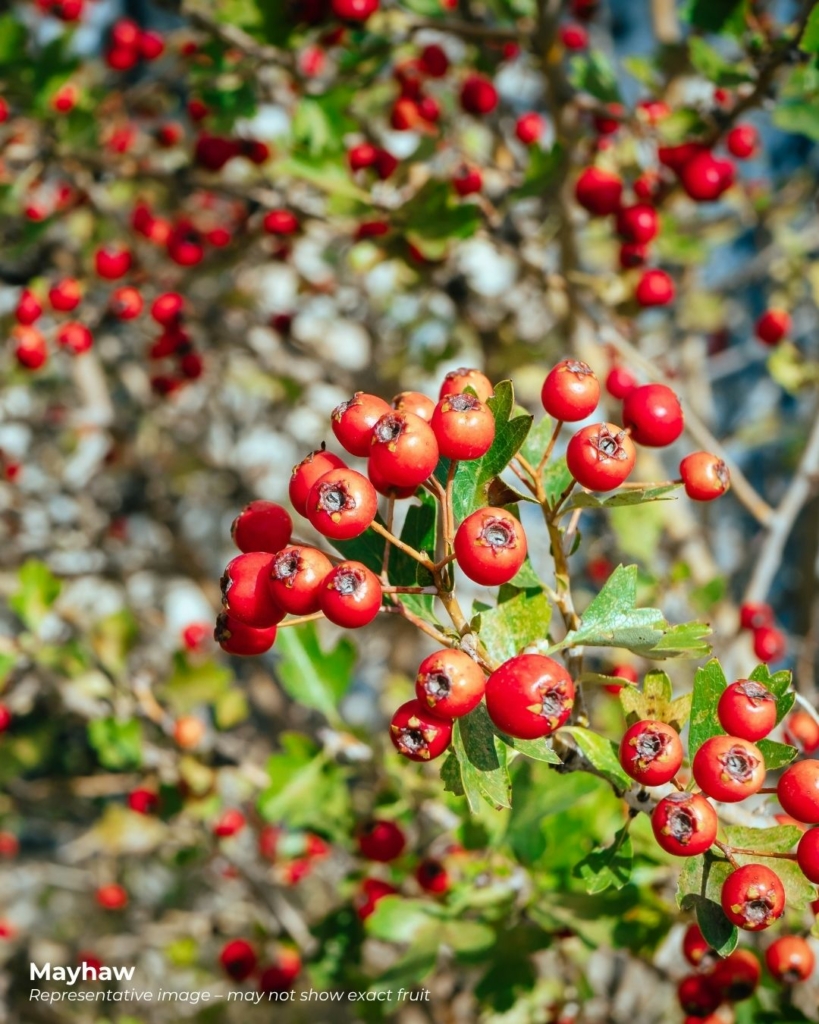
45. Mayhaw (Crataegus Aestivalis)
- These small red berries are native to southern USA and are the fruit of the hawthorn tree (source).
- The often sour Mayhaw berries are rarely eaten raw but are instead traditionally made into jellies or syrups. The seeds are not edible as they contain a cyanogenic compound known as amygdalin (source).
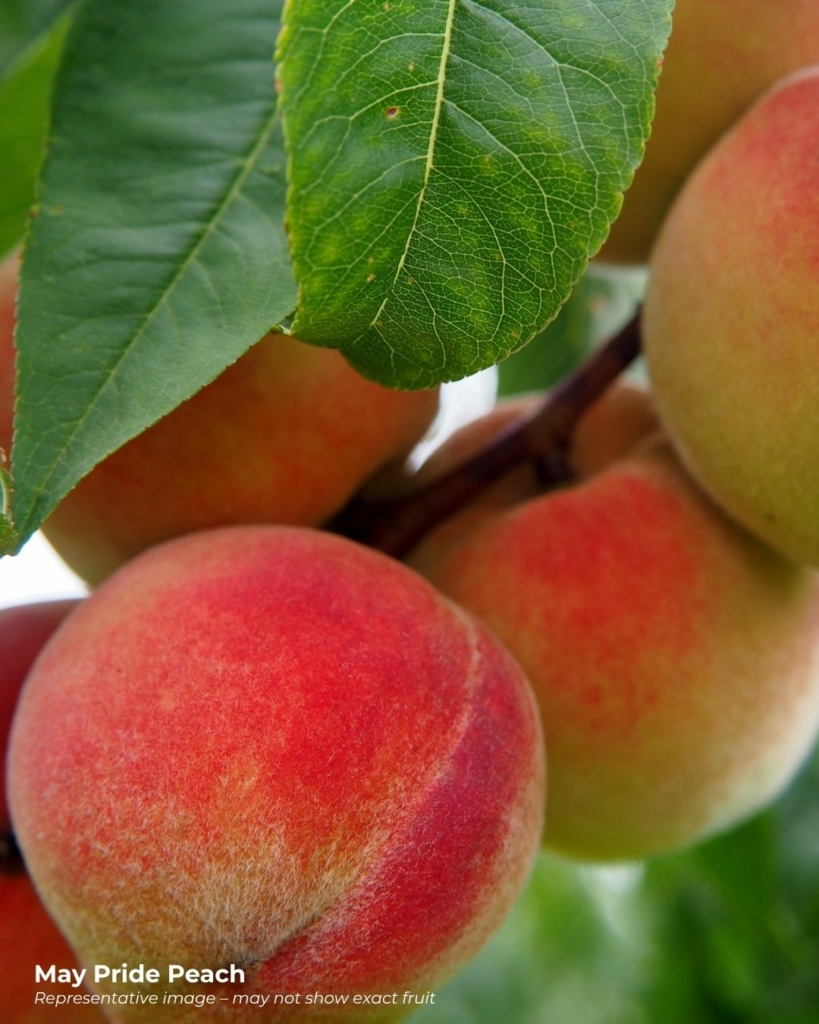
46. May Pride Peach
- This large, golden peach variety has sweet flesh and a slightly tangy flavour.
- This early fruiting peach tree is believed to have been developed in California by crossing two seedlings.
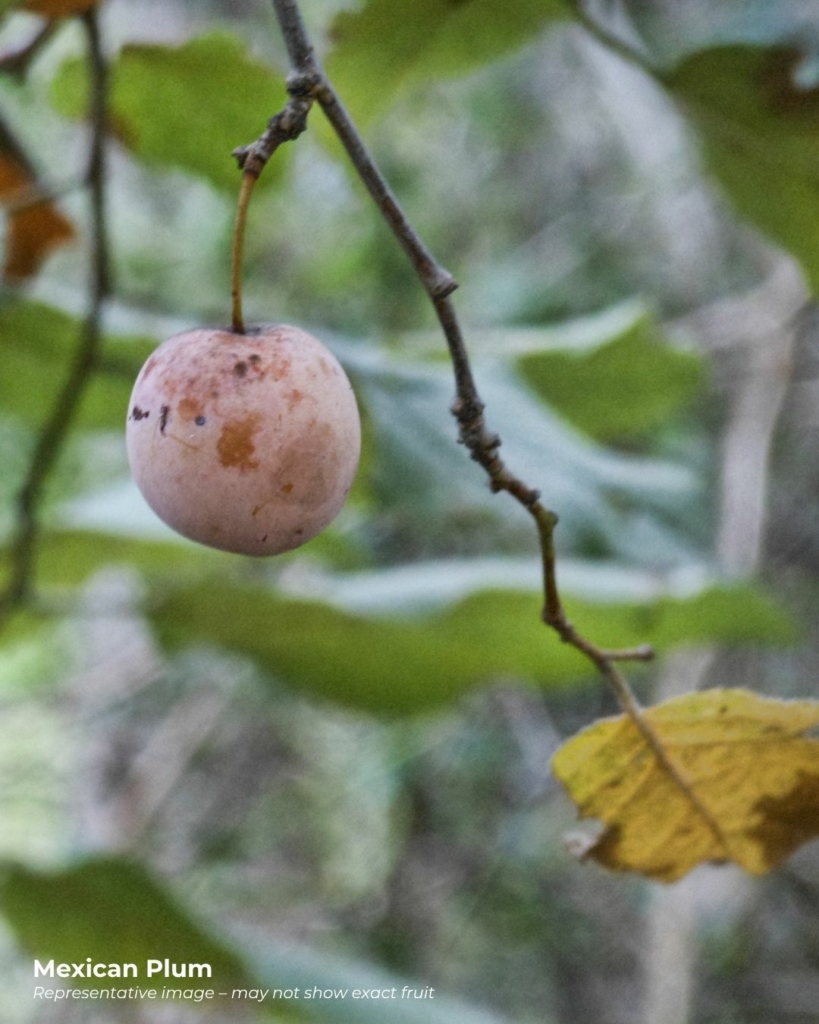
47. Mexican Plum (Prunus Mexicana)
- A species of plum that can be found in central U.S. and Northern Mexico.
- With sweet, tart purple fruit that is often used in preserves, jellies and sauces.
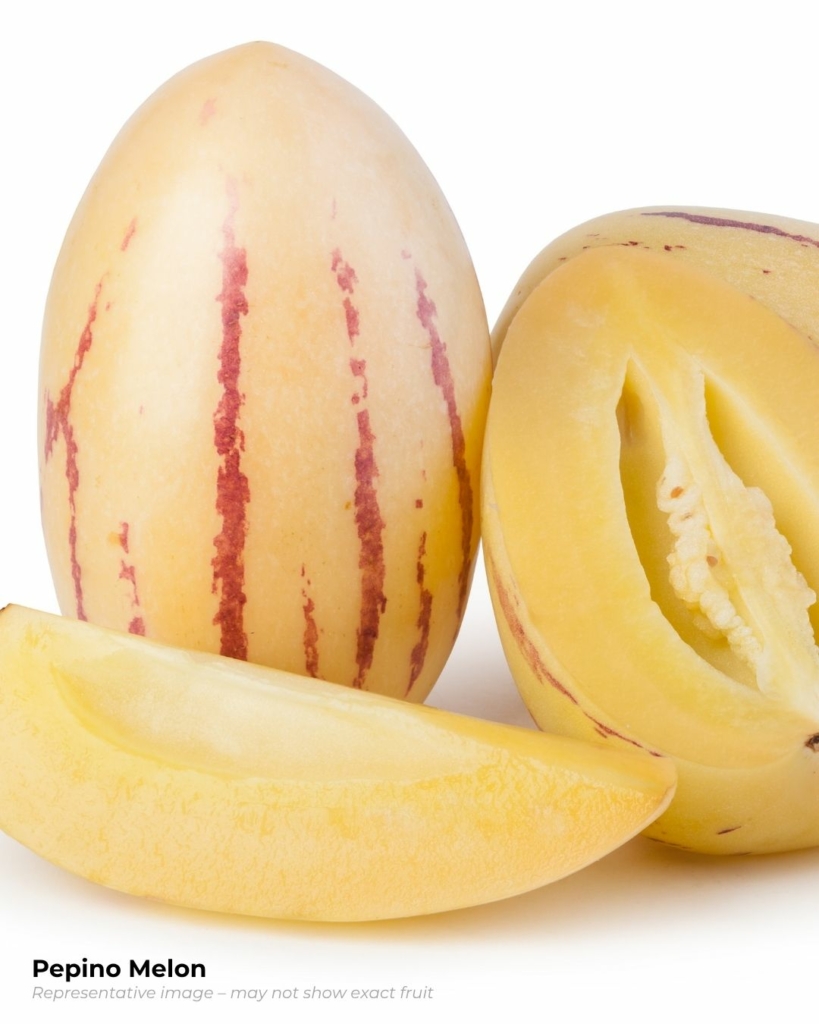
48. Melon Pear (Pepino Melon)
- A South American fruit with a mild and sweet flavour with hints of melon and cucumber.
- Despite its flavour, this fruit belongs to the tomato family and can be grown in the UK (source).
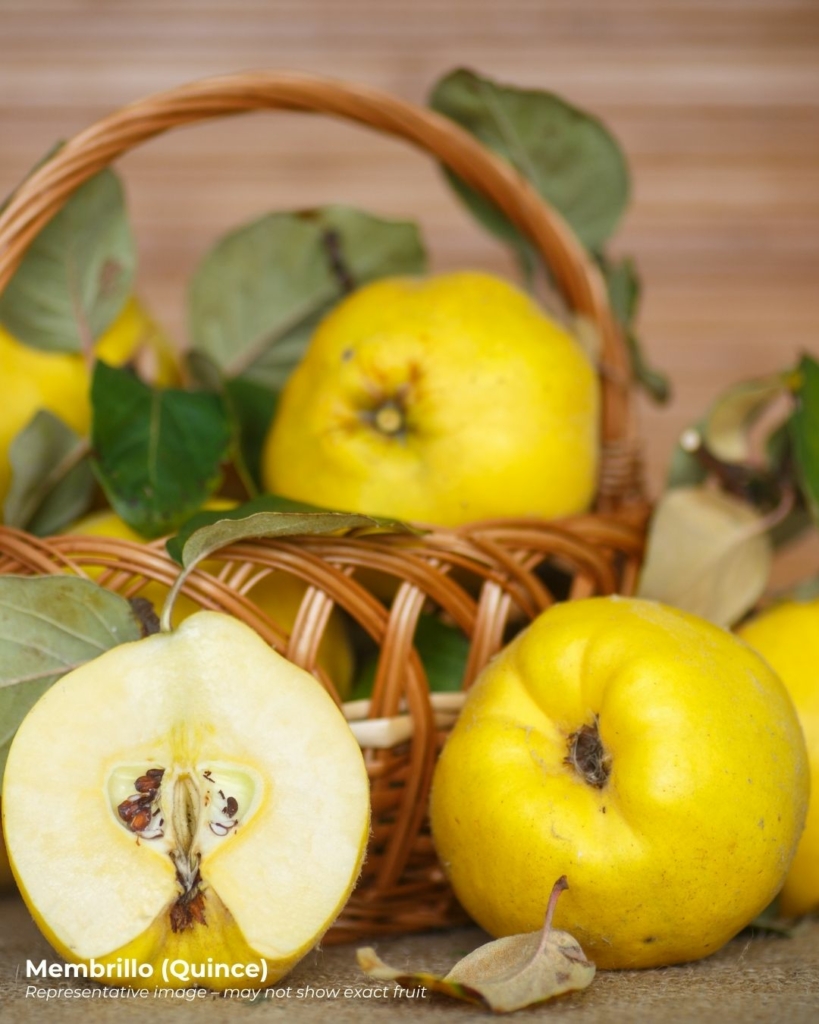
49. Membrillo (Quince)
- Quince has been around since ancient times and was widely used in European and Middle Eastern cooking for centuries.
- Whilst not commonly sold in supermarkets, it’s still grown in UK gardens and orchards – especially by heritage growers and home gardeners. It looks like a cross between a pear and an apple, but with a yellow skin.
- The fruit can’t be eaten raw but is delicious when baked long and slow and drizzled with maple syrup. It also makes a delicious jelly that has a unique floral flavour that is unlike anything else. I enjoy a spoonful on my porridge in the morning!
- Fun fact: My parents grow quince in their garden in the UK, selling the abundant fruits locally and making them into a yearlong supply of quince jelly for the whole family!
50. Miyama Cherry (Korean Cherry)
- This fruiting cherry tree was first described in 1857 and grows wild in northeast Asia and Eurasia (source).
- The fruit usually has a sweet flavour but should be avoided if it tastes bitter (as should other parts of the plant, including the seed) due to the presence of the toxin cyanide (source).
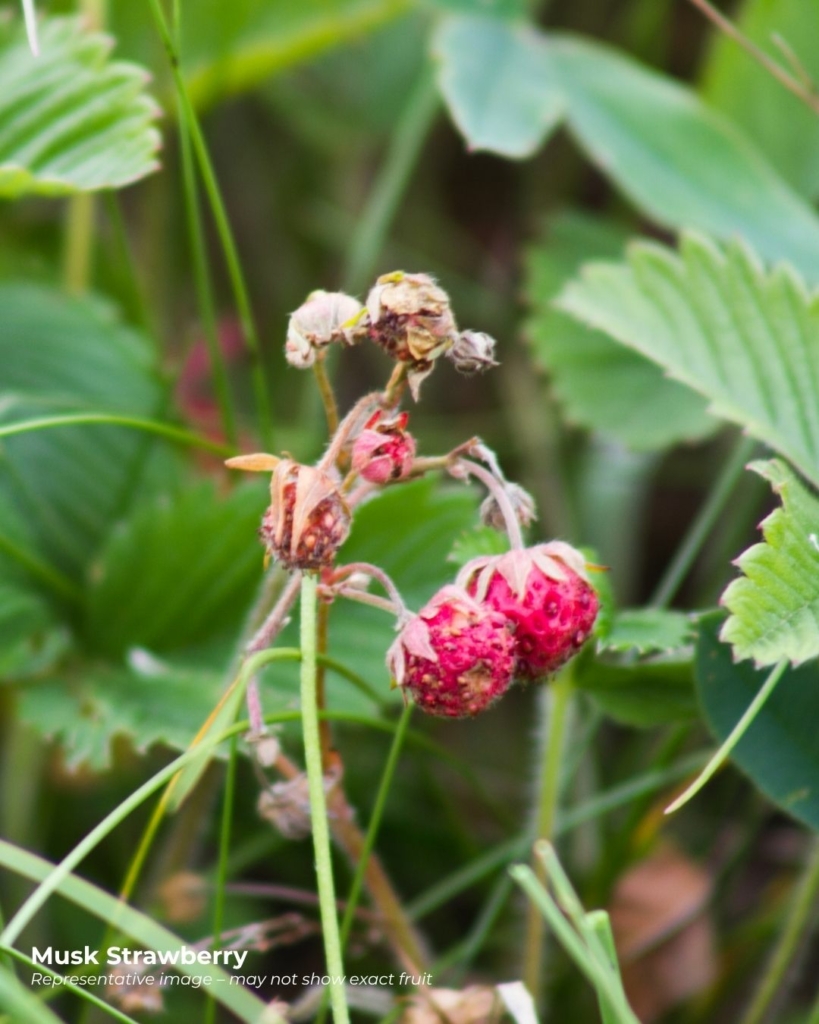
51. Musk Strawberry (Fragaria Moschata)
- These heirloom strawberries were widely grown in Europe centuries ago and are described as the first strawberry with any sort of cultivar name (Le Chapiron in 1576) (source).
- Whilst the fruit is not commonly found in supermarkets, it can however be grown at home with seeds and plants available from specialist suppliers.
- This small strawberry variety sounds delicious, with a complex flavour that hints of raspberry and pineapple (source).
Lesser-Known or Rare Fruits That Start With M
These rare or unusual fruits may be a bit more obscure, but they’re still valid for word games, research, or curiosity:
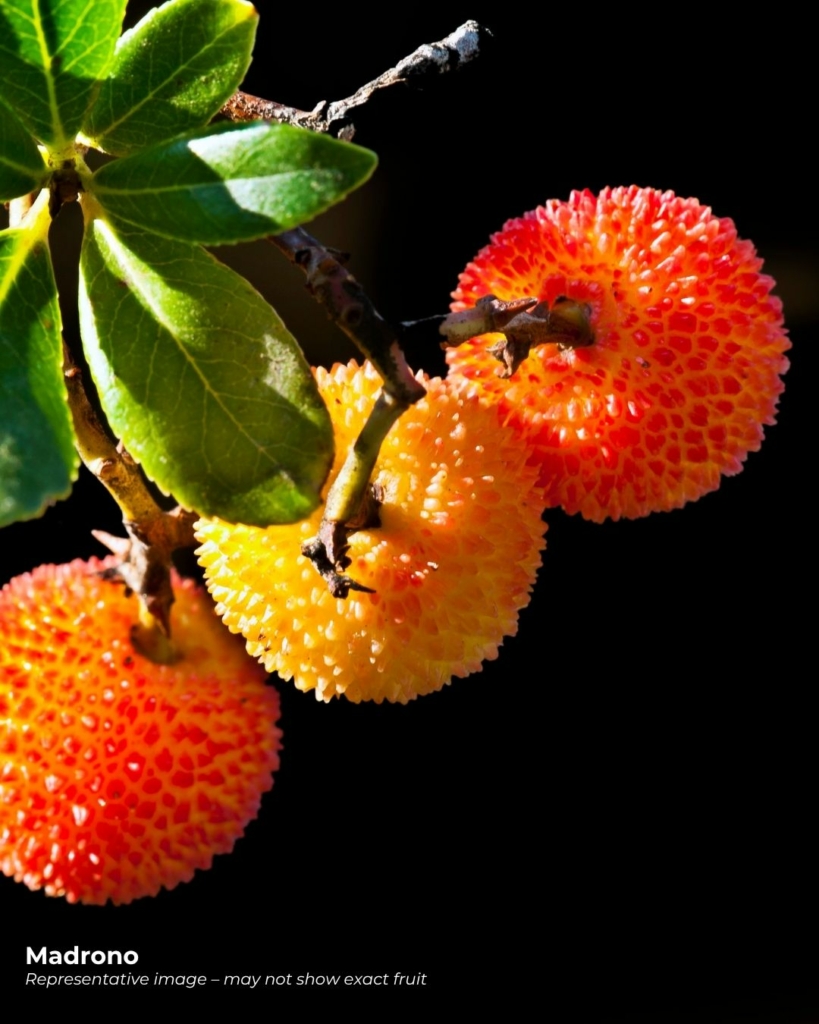
52. Madroño (Arbutus Unedo)
- A berry from the strawberry tree (Arbutus), which has a hard shell and juicy white flesh.
- The fruit has a mildly sweet flavour and is most often used in preserves.
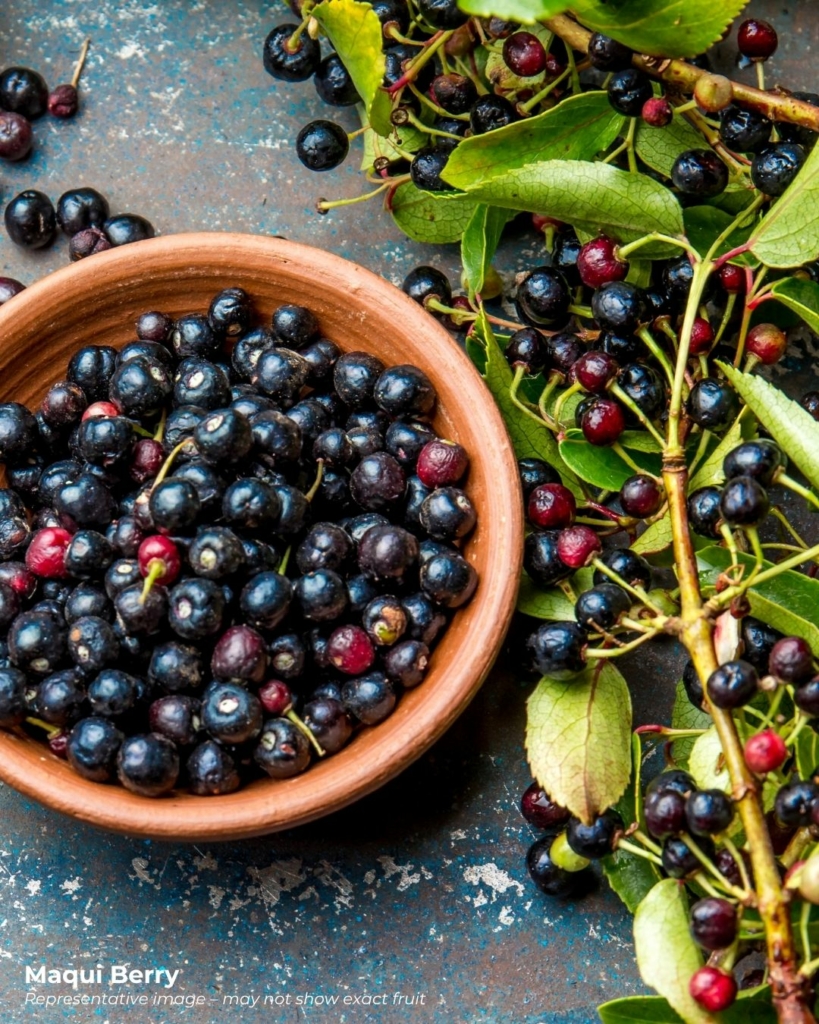
53. Maqui Berry
- A wild-growing dark purple berry native to Chile and Argentina.
- Rich in antioxidants and, as a result, often used in powders and supplements (source).
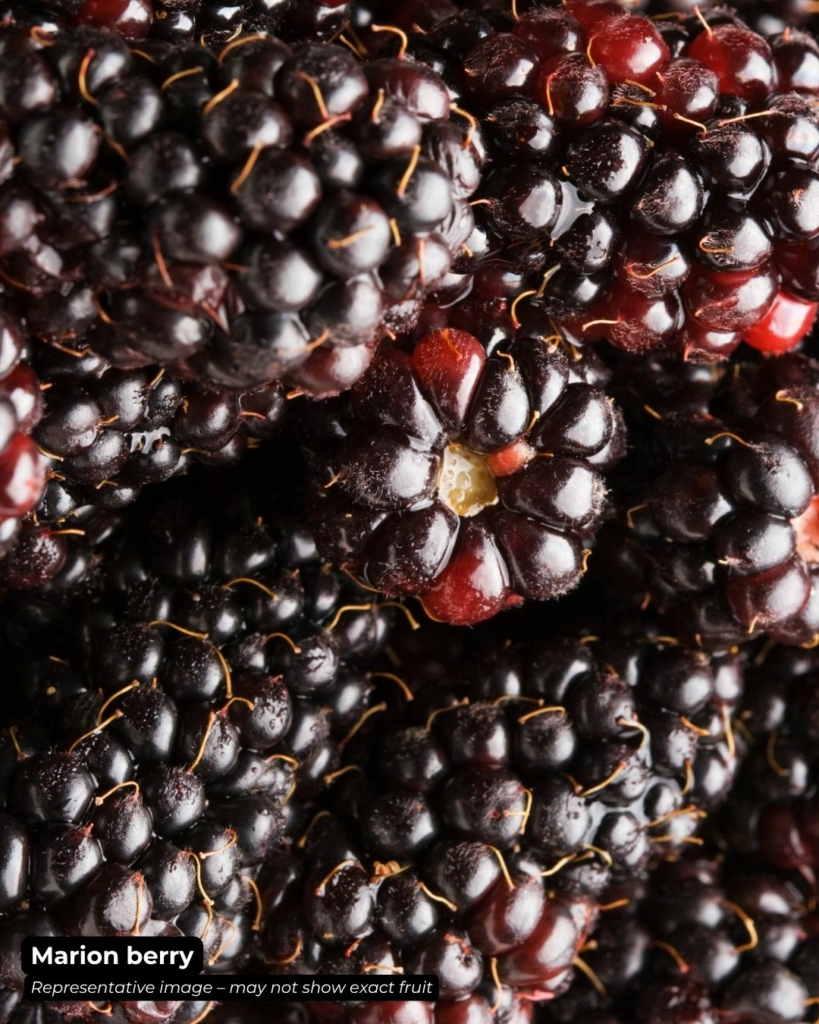
54. Marionberry
- The marionberry is a cultivar of the blackberry, which was developed in Oregon in the 1950s (source).
- Typically larger and juicier than the blackberry, the marionberry has a sweeter and more complex flavour with a hint of earthiness.
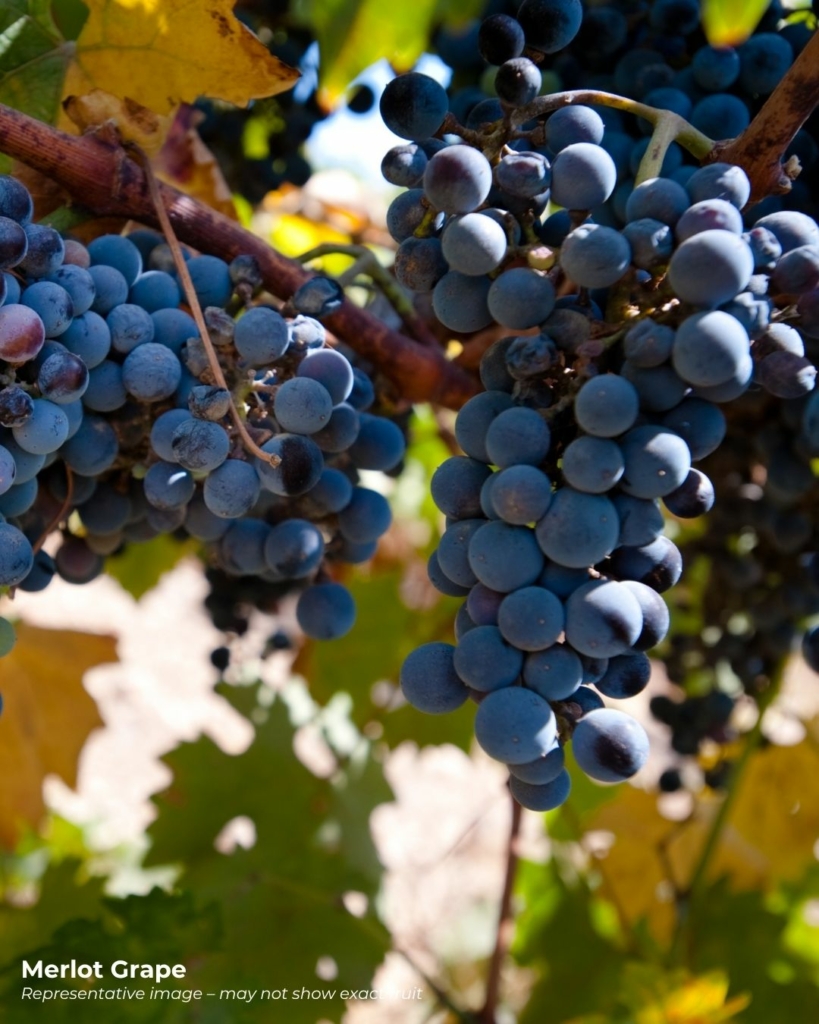
55. Merlot Grape
- Famous as a wine grape but not often eaten fresh, despite its sweet taste and juicy texture, since they typically have seeds (source).
- Native to Bordeaux in south-west France, the Merlot Grape is a world-famous fruit that starts with M!
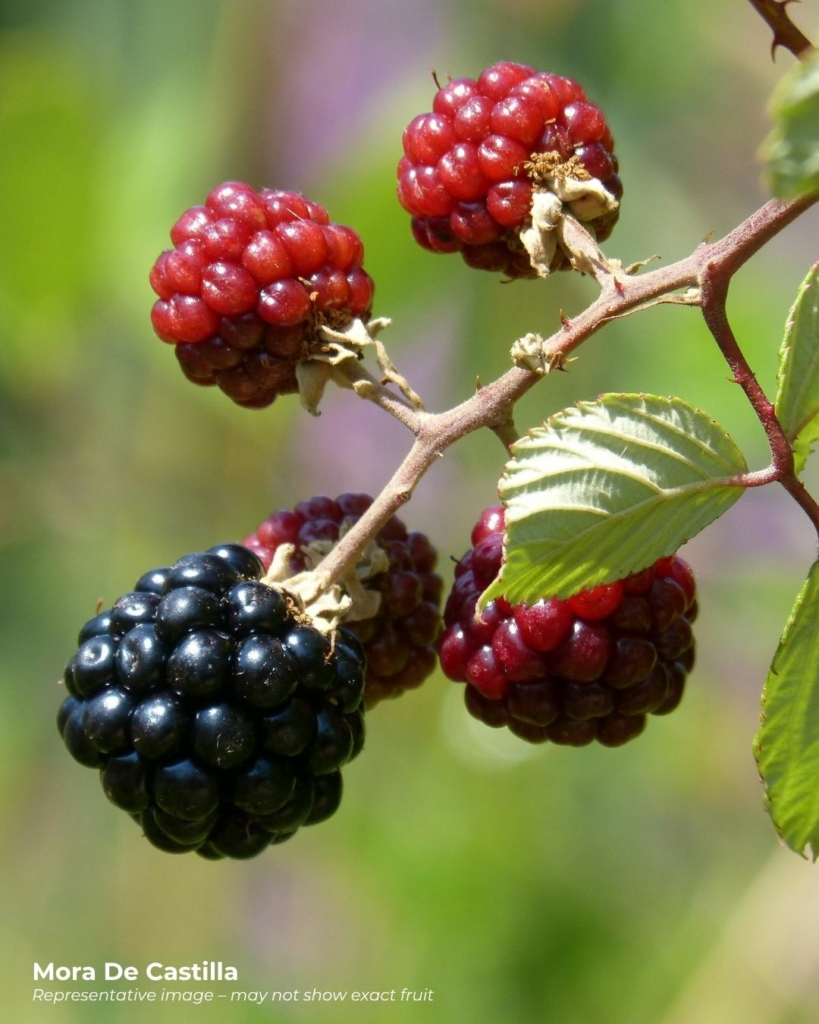
56. Mora De Castilla
- A small blackberry (or ‘Andean Raspberry’) variety found in Latin America, which is similar to a loganberry.
- This fruit tends to have a slightly sour taste and is therefore more often combined with a sweetener to make it more palatable (source).
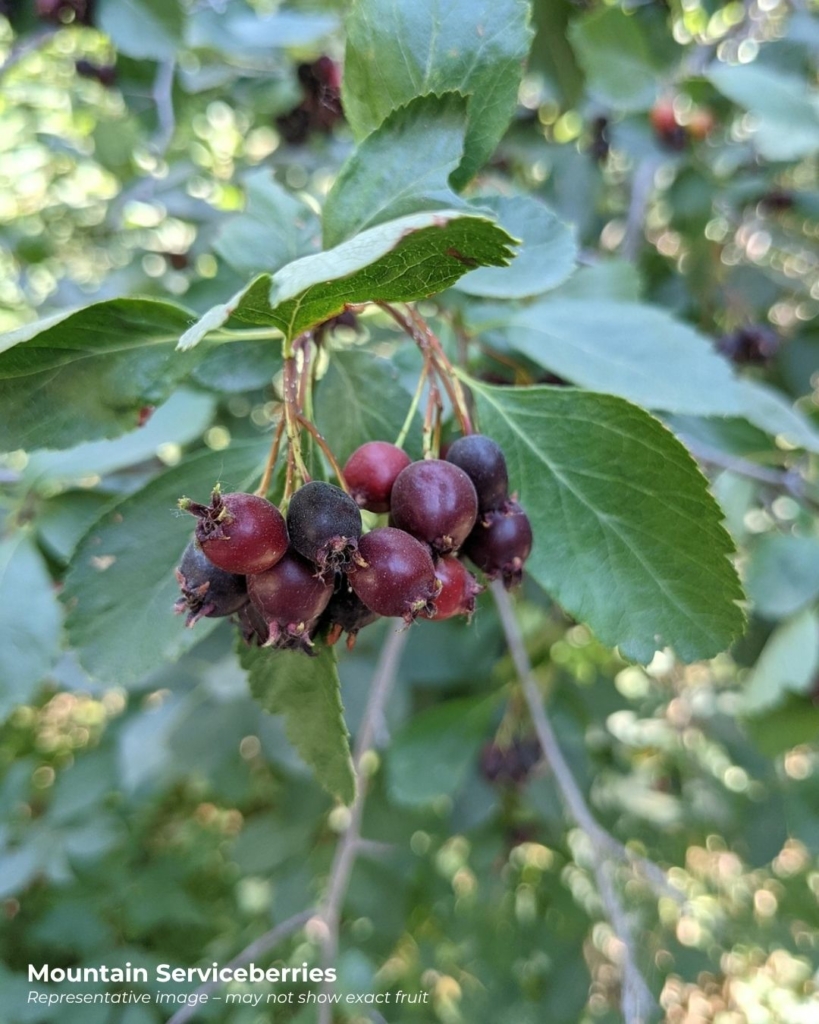
57. Mountain Serviceberry
- A wild North American berry with a flavour and texture similar to blueberries.
- This berries can be sweet but sometimes a little dry (source).
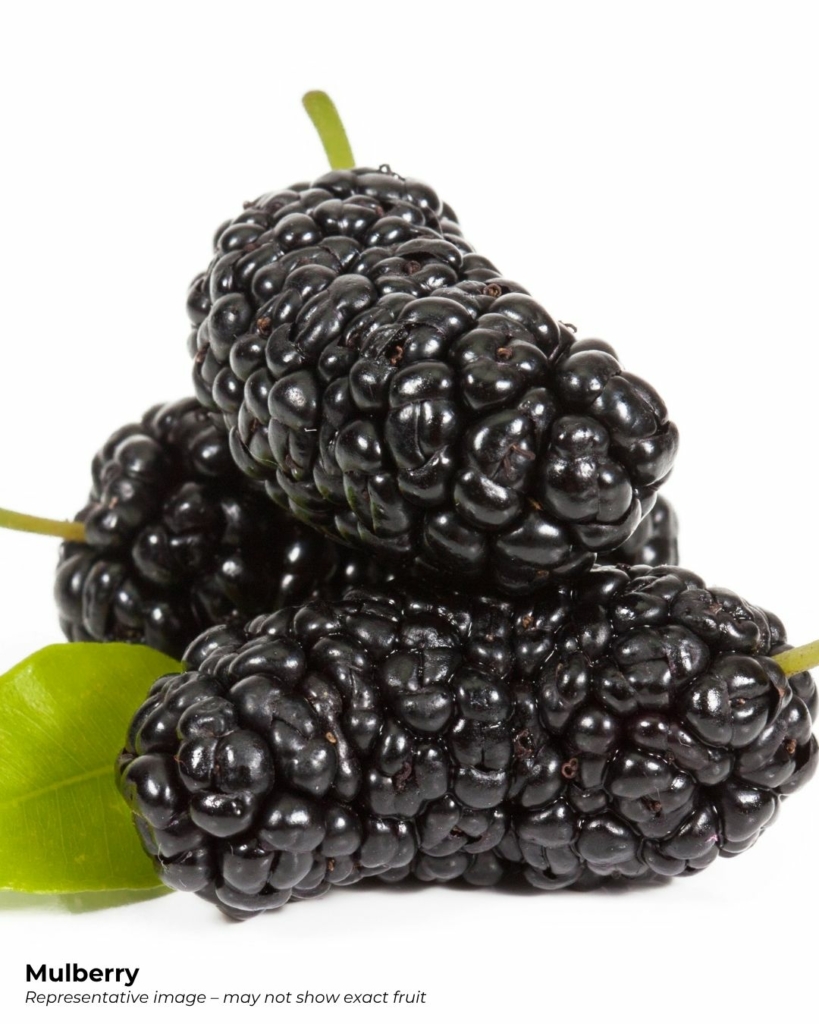
58. Mulberry
- These dark red to black berries have a sweet but tart flavor.
- Great for jam, smoothies or eating fresh, but not widely available in grocery stores due to their delicate nature.
- Containing iron and vitamin C (source)
59. Murray’s Plum
- This rare and endangered wild plum is native to Texas.
- The fruits are reportedly so rare that no one has seen them since they were first described! (source)
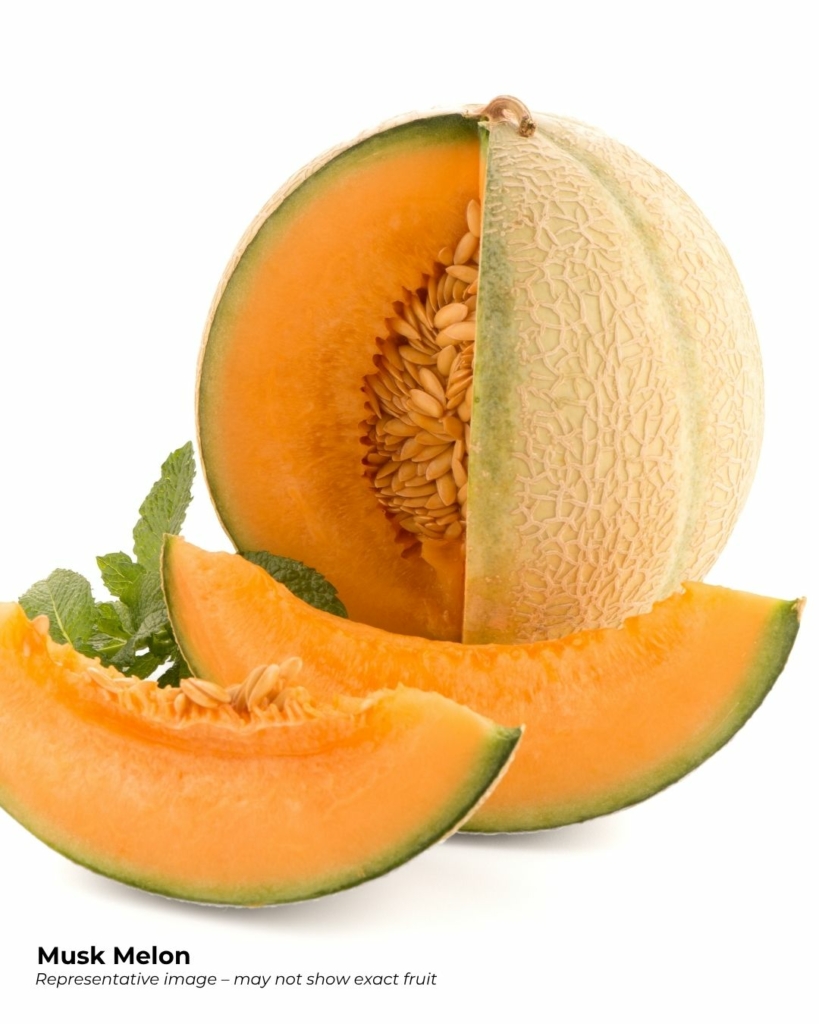
60. Muskmelon
- A fruit that starts with M? Well technically, muskmelon is a broader category of melons, which includes cantaloupes!
- Closely related to squash, pumpkin and watermelon (source).
The Full List: 60 Fruits That Start With M
- Mabolo (Velvet Apple)
- Macoun Apple
- Madison Peach
- Madroño
- Malabar Plum
- Malay Rose Apple
- Malus Sieversii
- Mamey Sapote
- Mammee Apple
- Mamoncillo
- Mandarin
- Mangaba
- Mango
- Mangosteen
- Manchurian Apricot
- Manchurian Cherry
- Manchurian Crab Apple
- Manilkara Elata
- Maqueno Banana
- Maqui Berry
- Maracuya
- Marang
- Margil Apple
- Marionberry
- Marisol Clementine
- Marsh Pink Grapefruit
- Marula
- Masak Hijau Banana
- May Pride Peach
- Mayhaw
- Maypop
- McIntosh Apple
- Medlar
- Melon
- Melon Pear
- Membrillo
- Merlot Grape
- Meyer Lemon
- Mexican Limes
- Mexican Plum
- Midyim Berry
- Minneola Tangelo
- Mini-Mandarin Oranges
- Miracle Fruit
- Miyama Cherry
- Mock Strawberry
- Monkey Orange
- Monkfruit
- Monstera Deliciosa
- Mora De Castilla
- Moriche Palm Fruit
- Morinda
- Mountain Serviceberry
- Mountain Soursop
- Mulberry
- Muntries (Emu Apple)
- Murray’s Plum
- Muskmelon
- Musk Strawberry
- Myrtle Berry
So, there you have it! 60 fruits that start with the letter M – from popular and widely consumed varieties to exotic and heirloom fruits with rich cultural and medicinal backgrounds.
We hope you have enjoyed learning more about these different fruit varieties. Feel free to share your favourites in the comments or download our printable A-Z of Fruits guide to explore the world of fruit even more!
Fruity Vegan Recipes You’ll Love


If you have enjoyed this blog post, please leave a comment below! If you want delicious vegan recipes delivered to your inbox be sure to subscribe to the A Vegan Visit newsletter. We’d also love for you to join the AVV community on Youtube, Tiktok, Instagram, Pinterest and Facebook.
Disclaimer:
This blog post is for entertainment and informational purposes only. While I’ve made every effort to research the fruits listed using reputable sources, I cannot guarantee the accuracy or completeness of the information. Some fruits may have toxic parts or may not be safe for everyone to consume.
Always consult a trusted source before handling or eating any unfamiliar fruit. I am not responsible for any outcomes resulting from the use of this content.
Images used are for illustrative purposes only. While we’ve aimed to depict each fruit accurately, some images may not represent the exact variety or fruit discussed. Please do not use images for foraging or identification purposes.
Tara
Hi, I’m Tara! I’m taking you on a trip around the world in vegan cuisine and bringing the world’s most delicious dishes to your kitchen.